





INSIGHTS PODCAST
 Listen Here
VIDEOS TO WATCH

Best of Unbound: Saybrook Insights — The Inspiring Alumni of Saybrook
Why Therapists are in Demand - Counseling Degree Expectations
Why is Nutrition Important? Diet Affects Mind-Body Health [IFN]
How to Improve our Health Care System? Integrative Health + Leadership
Creativity: Rethinking How We Live, Learn, and Work in Today's World: UNBOUND Saybrook Insights
Philosophy on Counseling Instruction at Saybrook University: Saybrook Insights Episode 1 Preview
Teaching & Training: A Glimpse Into The SU Counseling Program: Saybrook Insights Episode 1 Preview
Internships & Practicums for Saybrook Counseling Students: Saybrook Insights Episode 1 Preview
Jobs! What can I expect after getting my counseling degree?: Saybrook Insights Episode 1 Preview
What Does The Term "humanistic" Mean to You?: Saybrook Insights Episode 1 Preview
What to Expect When You're a New Nutrition Grad Student: Saybrook Insights Episode 2 Preview
Career Prospects & Support Post-Degree for IFN Graduates: Saybrook Insights Episode 2 Preview-
You are Not Alone: Nutrition Student Support During the Program: Saybrook Insights Episode 2 Preview
Supporting Individuals Across the Health Spectrum: Saybrook Insights Episode 2 Preview
Bringing Clarity to the Confusion Around: Saybrook Insights Episode 2 Preview- Dieting & Nutrition
What is The Future of Integrative Medicine and Health?: Saybrook Insights Episode 3 Preview
What Do The Mind-Body Medicine Degree Programs Entail?: Saybrook Insights Episode 3 Preview
How Can Integrative Medicine Help Those With Long COVID?: Saybrook Insights Episode 3 Preview
What Does Transparency in Healthcare Look Like?: Saybrook Insights Episode 3 Preview
Why Do Doctors Choose Saybrook’s Integrative Medicine Programs?: Saybrook Insights Episode 3 Preview
Why Study Creativity & Psychology Together?: Saybrook Insights Episode 4 Preview
How Does Creativity Help us Manage all the Change in the World?: Saybrook Insights Episode 4 Preview
What Can You do With a Specialization in Creativity?: Saybrook Insights Episode 4 Preview:
What does the Term "humanistic" Mean to You?: Saybrook Insights Episode 4 Preview:
Who is Ideal for the Creativity Specialization? (Everyone!): Saybrook Insights Episode 4 Preview:
Maintaining Joy & Commitments During Times of Strife: Saybrook Insights Episode 5 Preview
Building an Economy that Works for All: Saybrook Insights Episode 5 Preview
Our Alum Do Amazing Things: Saybrook Insights Episode 5 Preview
Supporting Business Students During Their Academic Career: Saybrook Insights Episode 5 Preview
Fostering Professional Connections for Our Students: Saybrook Insights Episode 5 Preview
Supporting Innovation in an Uncertain Business Climate: Saybrook Insights Episode 5
Federal v. State – Conflict Over Abortion Litigation: Saybrook Insights Episode 6 Preview
The History and Community Impact of The Colleges of Law: Saybrook Insights Episode 6 Preview
Learning from Practicing Attorneys and Judges: Saybrook Insights Episode 6 Preview
The Power of a J.D. Degree: Saybrook Insights Episode 6 Preview
The Many Degree Programs at The Colleges of Law: Saybrook Insights Episode 6 Preview
The Colleges of Law: Impacting the Legal Field and Communities Alike: UNBOUND Saybrook Insights
The Content Creation Pipeline: Saybrook Insights Episode 7 Preview
Diversity, Equity, and Inclusion at NFMLA: Saybrook Insights Episode 7 Preview
Responsible Storytelling in the 21st Century: Saybrook Insights Episode 7 Preview
NFMLA CEO on Joy, Humanism, and Making the World a Better Place: Saybrook Insights Episode 7 Preview
The Humanistic Approach to Education: Saybrook Insights Ep. 8 Preview
Cultivating a Community Conversation: Saybrook Insights Episode 8 Preview
An Abundance of Possibility – Humanistic Psychology: Saybrook Insights Episode 8 Preview
Creative Revelations: Saybrook Insights Episode 8 Preview
Constraints That Open Opportunities: Saybrook Insights Episode 8 Preview
Lorne Buchman – A Creative Cornerstone of Saybrook University: UNBOUND Saybrook Insights
Shannon Sims: 3 Things People Can Do to Improve Their Health
Shannon Sims: Better Health Through Mind-Body Medicine
Drake Spaeth – Embrace Challenging Work with Joy: UNBOUND Saybrook Insights
Drake Spaeth: Existential Psychology for Therapeutic Intervention
DOING THE WORK
Calm, cool, collected: Saybrook alum assists highly sensitive people find inner joy
Saybrook University alumna Julie Bjelland is on a mission to help highly sensitive people (HSPs) find inner joy and self-acceptance with the help of her 2017 book, Brain Training for the Highly Sensitive Person, and her eight-week online global course on the topic of HSPs.

A life of social work
Trent Nguyen, Ph.D., chair of the Social Work Department at Saybrook University, has spent his entire career expanding the field and finding new ways to help people who are hurting and marginalized.
How father and son find joy and sense of purpose in their work
Eric Willmarth, Ph.D., is chair of the Applied Psychophysiology department in the College of Integrative Medicine and Health Sciences at Saybrook University. His son, Kevin Willmarth, Psy.D., is an adjunct professor in Health Psychology as well as the director for consulting at the VHA National Center for Organization Development at Saybrook.

Breaking Barriers in Nutrition Research: Dr. Amylee Amos Champions Accountability, Accessibility, and Planetary Health
Amylee Amos, Ph.D., a dedicated registered dietitian nutritionist, pursued a Ph.D. at Saybrook University to immerse herself in research while balancing motherhood and a clinical practice.
Career Resources

New Chapters Start Here: Midcareer Graduate Programs for Meaningful Career Change
The Strange Pull of Research
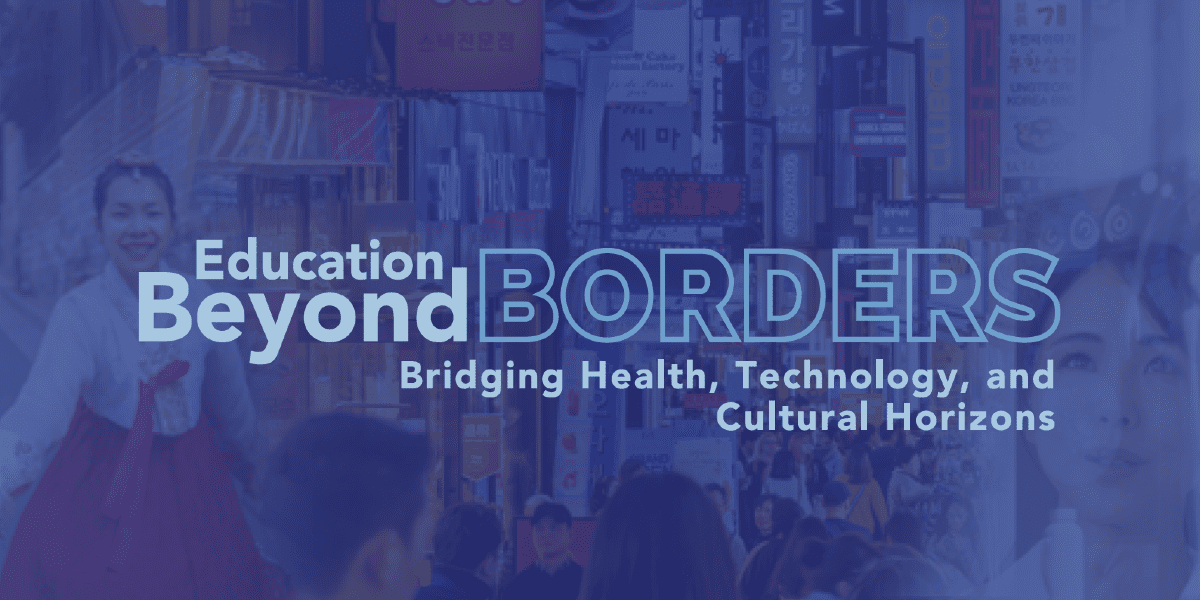
Education Beyond Borders 2025: Bridging Health, Technology, and Cultural Horizons