Menu

Saybrook University to Celebrate 2026  Commencement

Graduates represent a range of degree programs, poised to make a positive impact in their respective fields.

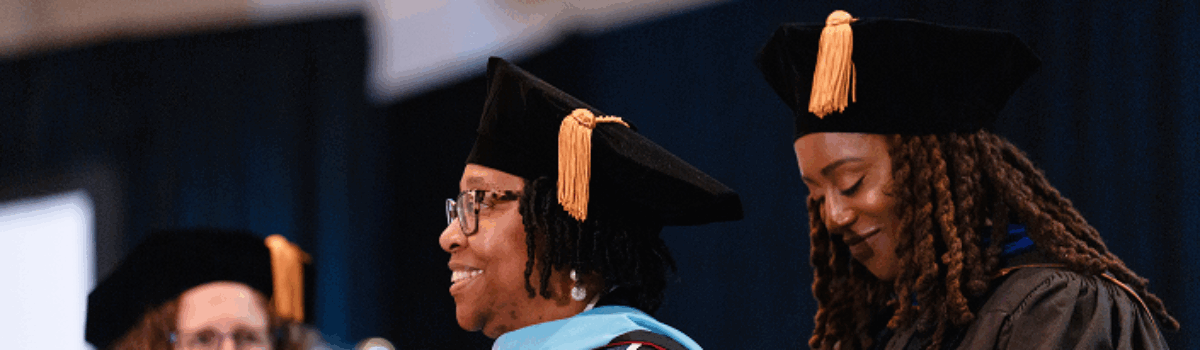
Saybrook University will celebrate the graduation of its class of 2026 on Thursday, June 4, 2026 at 11 a.m. PDT. The ceremony will take place at the Sheraton Universal Hotel in Universal City, California. Saybrook’s commencement will stream live on YouTube for virtual attendees.

At a time when demand for psychology, counseling and integrative health professionals continues to rise nationwide, the ceremony will recognize graduates who are prepared to meet growing mental health and whole person wellness needs in communities across the country.

Many of the 149 graduates, including 105 participating in the ceremony, have completed rigorous academic and clinical training while balancing careers, families, and additional responsibilities. The participating graduates include 57 master’s graduates and 48 doctoral graduates. Together, these students reflect Saybrook’s emphasis on personal transformation in service of community impact, pursuing advanced education while remaining actively engaged in the professional and local communities they serve.

The university will welcome longtime Saybrook faculty member and Dean-Emeritus of the College of Integrative Medicine and Health Sciences, Donald Moss, Ph.D., as the commencement speaker. A clinical health psychologist certified in hypnosis and biofeedback, Dr. Moss has played a significant role in advancing integrative health education at Saybrook and is nationally recognized for his contributions to health psychology, psychophysiology, and hypnosis.

“This year’s commencement is a meaningful moment to recognize the dedication and perseverance of our graduates,” said Dr. Jeremy Moreland, President of Saybrook University. “Their work reflects Saybrook’s mission to foster profound personal growth and to inspire positive change in individuals, organizations, and communities.”

Saybrook University is known for its pioneering approach to education, emphasizing whole-person learning and the integration of mind, body, and spirit. As graduates move forward in their professional journeys, they carry with them a commitment to compassionate leadership and impactful practice.

The ceremony will serve as both a celebration of academic achievement and a reflection of the university’s enduring mission to advance human potential and social transformation.

For more information, go to www.saybrook.edu.

Top Integrative Health Careers You Can Pursue With a Graduate Degree

Saybrook University graduate programs prepare students for health and wellness jobs that blend science, mindfulness, and whole-person care.

In a world that tends to separate physical and mental health, a growing number of healthcare workers seek to support their patients through mind-body medicine. This work is important not only for the care recipients but also for those who pursue holistic health careers. The mutual benefits and positive outcomes of this approach mean that health and wellness jobs are in demand across industries and occupations.

Whether you are looking to continue your studies early in your career or build on decades of professional experience, graduate education provides a pathway for health-and-wellness careers. Continued learning allows you to pursue work that aligns with your values and learn alongside like-minded peers.

Saybrook University graduate programs prepare students for jobs in integrative health that blend science, mindfulness, and whole-person care. Through this graduate-level training, integrative health students prepare for leadership opportunities and career mobility in their chosen area. Each of the online graduate programs offer flexibility along with connection and community.

Health and Wellness Jobs

Modern public health is complicated by factors including burnout, chronic illness, and fragmented care. Care workers must account for these challenges with informed perspectives and empathetic methods. People-centered practitioners can choose from various health-and-wellness careers.

Mind-Body Medicine Practitioners and Integrative Clinicians

Following completion of a graduate degree such as an M.A. in Clinical Mental Health Counseling and the associated licensure exams, professionals can work directly with clients to support their mental health and wellness. Saybrook’s program is accredited by the Council for Accreditation of Counseling and Related Educational Programs (CACREP). In the 2024-2025 cohort, 100% of graduates passed their licensing exam on the first attempt.

A career in counseling allows practitioners to integrate mind-body principles in their day-to-day work. Saybrook graduates are prepared for clinical mental health jobs in a range of areas, including clinical rehabilitation counseling and family counseling.

The M.A. in Clinical Mental Health Counseling degree can train students for work as a substance abuse counselor. In this role, practitioners help clients navigate addiction recovery that addresses emotional, behavioral, and lifestyle factors. Substance abuse counselors can work in a range of settings, including outpatient mental health centers, private practice, and community health centers.

Clients who work with clinicians trained in the humanistic tradition benefit from practitioners who take a whole-person approach. Therapeutic work can take place in a private practice, online through virtual sessions, or in other spaces that meet community needs. Saybrook counseling graduate students complete 700 hours of field experience so they gain real-world experience to shape their careers and best serve their clients.

Integrative Health and Wellness Coaches

Wellness coaches can leverage the expertise from their graduate studies to best support their clients. Clients benefit from personalized wellness plans that include support for fitness, nutrition, sleep, and more. Coaches can work in various settings, including as corporate consultants or within private practice. Additional job roles that Saybrook graduates may pursue include corporate wellness consultant and private practice wellness coach.

Saybrook courses provide practical skill development so professionals can focus on populations that they are most passionate about and advise on various aspects of health and wellness. Students can choose from a range of Saybrook certificate programs that provide specialized skills relevant to future health-and-wellness coaches, including:

  • Online Integrative and Functional Nutrition Certificate: Students integrate nutrition into health care, coaching, and therapy to help clients restore function and manage clinical imbalances and symptoms.
  • Integrative Wellness Coaching Certificate: Graduates can advise individuals on significant life changes to reduce health risk, alleviate suffering, and enhance wellness.
  • Mind-Body Certificate: This non-degree option trains students on mind-body practices, with coursework including Movement Modalities for Wellness and Psychobiology of Eating.

Facilitators, Program Designers, and Community Educators

In addition to certificate programs related to integrative health and wellness, Saybrook also offers graduate opportunities including a Ph.D. and M.S. in Mind-Body Medicine. Although mind-body practices such as mindfulness, yoga, and meditation are sometimes seen as fringe, they are increasingly helpful and sought after by many adults. The Saybrook graduate degree offerings provide cutting-edge credibility to these valuable practices.

Saybrook graduates will be able to support clients in emotional intelligence, develop conflict resolution skills, and bring mindfulness into their daily tasks. Expertise in mindfulness practices can lead to career opportunities to work as a continuing education instructor, wellness program designer, or community health educator.

After completing a graduate degree in Mind-Body Medicine, graduates might also find meaningful work as a mindfulness facilitator. In this role, individuals will lead guided sessions aimed at supporting focus and emotional regulation. A mindfulness facilitator can provide both individual or group programs and can specialize their work for particular populations, such as those with depression or chronic health conditions.

Consultants and Advisors in Integrative Health and Well-Being

Advanced study in mind-body medicine opens the door to many healthcare careers. The holistic approach allows graduates to consider all aspects of patient care in both traditional and nontraditional healthcare settings, including:

  • Home healthcare
  • Hospitals and other medical facilities
  • Nonprofit organizations
  • Schools

For any of these settings, students in the Ph.D. in Mind-Body Medicine: Mindful Leadership Specialization learn how to embed integrative approaches into their workplaces. This program brings together evidence-informed theory and practice with associated applicable skills such as grant writing and consulting.

Holistic health careers in this sector include roles such as health care innovation advisor, integrative health consultant, and well-being strategy consultant. Each of these careers provide the opportunity for practitioners to support aspects of wellness including emotional intelligence, mindfulness, and public health.

Research-Informed Leaders Advancing Integrative Health

Those interested in integrated health theory and research might also find gainful employment working in education.

The pursuit of a Ph.D. in Mind-Body Medicine opens doors to many holistic wellness careers, including university-level teaching. Graduates of this program expand their research literacy to strengthen the field’s evidence base and advance integrative health with data-driven integrity. Saybrook graduate students can choose from the following specializations to deepen their knowledge base:

  • Applied psychophysiology
  • Contemplative end-of-life care
  • Integrative and functional nutrition
  • Integrative mental health
  • Integrative wellness coaching
  • Mindful leadership

This advanced research pathway is excellent for those who might extend their impact beyond clinical practice by guiding others. University professors can work with students of all ages and backgrounds, with opportunities to teach in person or through online modalities after graduation. As faculty, you would teach integrative health concepts and contribute original research that advances mind-body medicine and holistic health practices.

Why Humanistic Training Shapes Long-Term Career Impact

Across each of these career opportunities, Saybrook University’s humanistic approach offers a lens to wellness in the mind, body, and soul. Practitioners with graduate-level training in integrated health help others maintain balance and well-being, even in times of stress and hardship. The range of degree and certificate offerings mean that students can shape their career opportunities to best fit their professional goals.

Building on decades of graduate student experience, learners at Saybrook University are shaped by a time-honored humanistic tradition. Through rigorous online training, as well as community, residential, and virtual learning experiences, students are uniquely prepared to guide the future of holistic care with discernment and humanity. No matter the direction they choose, graduates are positioned for leadership and career mobility in their field.

Interested to explore new potentials as a graduate student in integrated health? Fill out the form below to take the first step toward a meaningful career.

[

What Is Consciousness Studies? Inside Saybrook University’s Degree Specialization

What is a consciousness studies degree? Saybrook University’s CSIH specialization integrates psychology, spirituality, and research-based learning.

Consciousness studies is an interdisciplinary field that examines human awareness, identity, and the relationship between mind, body, and environment, drawing from psychology, philosophy, neuroscience, and spirituality. It is particularly relevant for working professionals in fields such as counseling, coaching, health care, and organizational leadership who want to deepen their understanding of human experience and apply that insight in practical settings.

At Saybrook University, the M.A. in Psychology and Ph.D. in Psychology programs’ Consciousness, Spirituality, and Integrative Health (CSIH) Specialization approaches this work through a humanistic framework grounded in evidence-informed practice. Designed for adult learners, the program offers flexible online learning while integrating academic theory with personal reflection and lived experience. By combining scientific inquiry with exploration of meaning, purpose, and transformation, the curriculum prepares students to engage both intellectually and professionally with complex questions about what it means to be human.

What Is a Humanistic Approach in Consciousness Studies?

For faculty at Saybrook, a humanistic approach is at the foundation of all teaching and learning. Through this commitment, students can harmonize the mind, body, psyche, and spirit as they pursue personal and academic growth.

What is humanistic psychology?

Robert Cleve, Ph.D., director of the Creativity, Innovation, and Leadership Specialization; and Marina A. Smirnova, Ph.D., director of the Consciousness, Spirituality, and Integrative Health Specialization, are core faculty in the CSIH Specialization who both teach from and live this philosophy. Both professors collaborate enthusiastically, continuing to refine their scholarship and teaching while also delighting in mentoring students.

“I think the humanistic piece is much more touchable because it’s about looking at the entire person,” says Dr. Cleve. “It also involves really looking at people as human beings and part of humankind.”

This theoretical humanistic framing allows students to answer questions such as the following:

  • What are the bounds of creativity?
  • How does an understanding of vibrant longevity shape how we think and interact with others?
  • What is the interplay between creativity, innovation, and leadership?

Central to this view is the importance of self-reflection as a necessary step toward learning. “When we think about existential givens and what each of us needs to navigate, it’s very deep and it’s challenging and inspiring to me,” says Dr. Smirnova.

Online Consciousness Studies Specialization: Programs, Courses, and Flexibility

Can you earn a consciousness studies degree online?

Thanks to the flexible, online learning options, students at Saybrook can engage across geographic boundaries and bring their experiences as working professionals to their studies.

Coursework across the CSIH specialization is inherently interdisciplinary, pulling from traditions in psychology, philosophy, neuroscience, spirituality, and integrative health.

What courses are available in consciousness studies?

Recent courses and concentrations include:

  • Vibrant Longevity is “at the core of the CSIH Specialization,” according to Dr. Smirnova, with two new courses of note:
    • CSIH 5000/CIL 5000: Interdisciplinary Foundations for Vibrant Longevity is a cross-listed course.
    • CHIH 5200: Vibrant Longevity and Exceptional Human Experiences is a new course that will debut in the fall 2026 semester.
  • After more than two years in development, CSIH 5300: Transpersonal Wisdom is another new class offering for students.

Prospective students can select their path from several programs, including the M.A. in Psychology: Consciousness, Spirituality, and Integrative Health Specialization. If students seek a terminal degree, there is also an M.A.-to-Ph.D. pathway with a specialization in Creativity Studies available.

Beyond serving as academic mentors and teachers, faculty at Saybrook also work as practitioners, researchers, and facilitators in their chosen areas of expertise.

How Learning Works in a Consciousness Studies Specialization

Collaboration between students and faculty separates Saybrook’s programs from other peer institutions, “We are more than our academic pursuits and accomplishments and endeavors alone,” says Dr. Smirnova. “We are living, breathing human beings. Sometimes we’re human doings, but for the most part, we are human beings.”

Finding connection and community in an online program takes extra intention from faculty, and, as Dr. Cleve says, “We like to offer different opportunities for the students to come together outside the classroom, which is hard to do in a hybrid environment.” One of the opportunities he shares is on the creative embodiment of transpersonal and transformative experiences. “We do that on the fourth Thursday of every month. And then a couple students and I who attended the Possibilities Studies Network Conference developed a student-led program that we call CREATE (Creative Risk-taking to Engage Authentic Transformation & Expression).”

In academic coursework, through student-led initiatives and in collaborative workspaces, peers and faculty co-create shared inquiry through various models in addition to online learning.

How do students collaborate in an online graduate program?

  • Virtual Learning Experiences: Online events that foster real-time interactions beyond the classroom, bringing together classmates and faculty to deepen the learning experience
  • Community Learning Experiences: Five-day events that bring together the entire Saybrook University community to explore new ideas and perspectives

What Can You Do With a Consciousness Studies Specialization?

How does consciousness studies apply in professional settings?

Graduates apply consciousness studies across fields such as mental health, coaching, health care, and organizational leadership, using interdisciplinary perspectives to inform real-world practice.

Dr. Smirnova says, “We’re looking at the connections that are amplifying the role of creativity, innovation, leadership, and consciousness, spirituality, and integrative health in the fields and subfields that do not typically highlight it.”

Adds Dr. Cleve:

  • Creativity is the idea, or the spark.
  • Innovation is how we bring the spark to life.
  • Leadership is how we bring it into the world.

Through the lens of consciousness studies, students can contribute to conversations at the intersection of technology, psychology, and society.

Careers in Consciousness Studies and Holistic Psychology

As students of Saybrook’s CSIH Specialization, graduates are positioned to work as leaders in multiple fields.

What careers are available with a consciousness studies specialization?

  • Mental health and counseling
  • Coaching and personal development
  • Integrative and holistic health care
  • Organizational leadership and change management
  • Education and research

How Do You Apply to the Consciousness Studies Specialization?

If you’re interested in pursuing Saybrook’s Consciousness, Spirituality, and Integrative Health Specialization, the next step is to request more information about the program.

Complete the brief form below to connect with admissions and learn more about program structure, courses, and requirements.

Read More

Saybrook University Announces New Articulation Agreement With the Integrative and Functional Nutrition Academy

IFNA students can advance into Saybrook graduate programs with a streamlined admissions pathway and limited transfer credit toward select degrees.

Saybrook University is proud to announce a new academic partnership with the Integrative and Functional Nutrition Academy (IFNA), creating an expanded pathway for students to continue their graduate education in integrative health fields.

Through this articulation agreement, eligible IFNA students will have the opportunity to apply to Saybrook and pursue advanced degrees in areas such as integrative and functional nutrition, mind-body medicine, and related disciplines. The partnership reflects a shared commitment to advancing education in whole-person, systems-based approaches to health and wellness.

Qualified IFNA students who meet Saybrook’s admission requirements will be guaranteed general admission under the terms of the agreement. In addition, students may transfer eligible coursework into select graduate programs, helping to streamline the transition into degree completion.

Students who complete IFNA’s training programs may receive up to three graduate-level transfer credits, depending on program alignment. These credits can be applied toward master’s or doctoral programs within Saybrook’s College of Integrative Medicine and Health Sciences, recognizing prior learning and reducing duplication of coursework.

The agreement is effective for an initial three-year term with the option for renewal upon mutual agreement. Together, Saybrook and IFNA will work to promote the partnership and support students seeking to further their academic and professional goals in the growing field of integrative and functional nutrition.

How Consciousness Studies Helps Navigate Uncertainty and Collective Trauma

An interdisciplinary lens on uncertainty shows how expanding awareness, compassion, and creativity can turn shared crisis toward collective healing.

Uncertainty has slowly become a defining feeling across communities. Global crises now overlap and compound, creating an atmosphere of collective trauma rather than a series of isolated disruptions.

For many people, the challenge is not just what is happening but how long it has been happening. Prolonged uncertainty strains emotional well-being, causing fatigue and impacting relationships. Over time, grief spreads and becomes shared, creating collective trauma.

Marina A. Smirnova, Ph.D., faculty in the Saybrook Department of Humanistic Psychology and director of the Consciousness, Spirituality, and Integrative Health (CSIH) Specialization, explains that this moment must be understood across multiple levels. She says, “Consciously and unconsciously, collective trauma touches and impacts every single individual. There are two key layers that we’re navigating: individual and collective.”

In other words, no one is experiencing uncertainty in isolation. Dr. Smirnova adds, “One thing is for sure: We’re in this together, and we’re beginning to realize deeply that what is affecting one human being is affecting us all.”

This is precisely where consciousness studies steps in. Consciousness studies provide a rigorous and humanistic framework for understanding, integrating, and responding to collective trauma.

What Is Consciousness Studies? An Interdisciplinary Field Rooted in Humanistic Psychology

Consciousness studies is an interdisciplinary field devoted to understanding the human experience. It draws from psychology and cultural inquiry to explore how humans encounter themselves and the world.

Rather than narrowing focus to symptoms alone, consciousness studies ask broader questions about perception, meaning, and responsibility. It encourages individuals to expand awareness.

How Consciousness Studies Integrates Humanistic Psychology and Whole-Person Inquiry

At Saybrook, consciousness studies are grounded in humanistic psychology and an integrative understanding of the person. “We’re looking for intersections that engage mind, body, psyche, spirit, and heart,” says Dr. Smirnova.

This integrative perspective reflects a commitment to intellectual rigor while honoring lived experience. In particular, it acknowledges that human beings are not reducible to symptoms or isolated variables.

Robert Cleve, Ph.D., director of the Creativity, Innovation, and Leadership Specialization and faculty collaborator, emphasizes the importance of perspective expansion: “What happens is that you understand a variety of perspectives other than just your own and begin to embrace a more collective mindset; ultimately you develop what we call a meta-perspective or broader conceptualization.”

In times of social fragmentation and collective trauma, it’s important to cultivate the ability to hold multiple perspectives without collapsing into defensiveness.

Bridging Research, Creativity, and Applied Leadership in Consciousness Studies

Students in Saybrook programs are trained in traditional research methods and critical analysis, as well as practical implementation.

Dr. Cleve explains, “If our students are only exposed to their coursework, they get the knowledge, but they don’t get the chance for application.”

Students are encouraged to translate scholarship into meaningful forms through conferences, creative presentations, and community dialogue. Dr. Cleve articulates this process clearly: “Creativity is the idea or the spark. Innovation is how we bring it to life. Leadership is how we bring it to the world.”

This culture of creativity ensures that students are not confined to silos but become active contributors to communities.

Understanding Collective Trauma Through Individual and Collective Consciousness

A defining strength of consciousness studies is its ability to work across individual and collective dimensions of human experience.

Individual Experience: Self-Awareness and Responsibility in Times of Trauma

At the individual level, consciousness studies support self-awareness, emotional regulation, and personal meaning-making. Students examine how beliefs, narratives, and embodied responses shape their reactions to uncertainty.

Dr. Smirnova emphasizes that personal responsibility plays a crucial role. “When we engage and make a commitment, each of us, to do the very best, to take our potentials and to cultivate them, to do the inner work, to engage respectfully, we’re changing our landscape together.”

Dr. Smirnova describes how developing compassion elevates collective well-being: “As we consciously invest in developing our own capacities to be more compassionate, to be more thoughtful, to be more present, to suspend judgment, we elevate the standing of humanity.”

Inner work transforms from personal growth to collective contribution.

Collective Experience: Shared Trauma, Social Responsibility, and Healing

Collective trauma shapes communities, institutions, and social relationships. Consciousness studies help individuals recognize that their struggles often arise within shared social conditions.

Dr. Smirnova emphasizes that division undermines healing, stating, “We cannot continue to divide ourselves, each other, society, in detrimental ways. Instead, let us rise together intentionally as we advocate for humanity and for conscious ways of being and becoming whole.” Expanded awareness supports leadership rooted in compassion, discernment, and responsibility.

Community-Centered Learning in Humanistic Psychology

Saybrook intentionally fosters learning environments that prioritize connection and community. Saybrook community events invite students, alumni, and surrounding community members into a shared inquiry. These spaces encourage connection and belonging, particularly in online learning environments where isolation can be a challenge.

Dr. Smirnova explains the importance of these collective spaces: “In these spaces, students are able to integrate what they’re learning in our program, through our community.” Community-centered engagement also supplies the opportunity to navigate the hardships of daily life by coming together.

Community-centered engagement also provides an outlet for stress relief and space to share the hardships of daily life. These interactions reflect the practice of humanistic psychology not only within Saybrook’s programs, but also through its broader community events.

How Consciousness Studies Builds Resilience and Psychological Integration During Collective Trauma

Resilience is often misunderstood as endurance or toughness. Consciousness studies approaches resilience as integration, meaning the capacity to hold complexity without collapse.

How Expanding Possibility Cultivates Hope and Leadership

Possibility does not promise certainty, but it creates hope by opening space for new ways of understanding and responding.

Dr. Cleve explains that when individuals are given space to share and listen, they develop a broader understanding that “helps them to navigate social situations, chaos, challenges, in a very unique way.” Possibility becomes an active stance toward the future. It opens room for innovation and responsible leadership.

How Creativity Supports Emotional Regulation and Trauma Recovery

Creative practices offer both grounding and insight. Dr. Cleve describes how even simple practices, such as listening to music, can provide relief and restoration during chaotic times. He explains that creative engagement “provides that meditative escape for us, even if it’s momentarily.”

Creativity becomes a method of regulation as well as expression.

Self-Care Practices That Support the Nervous System During Collective Trauma

In times of collective trauma, returning to basics is essential. Faculty consistently emphasize returning to simple practices during difficult times, such as:

  • Adequate sleep
  • Nourishing nutrition
  • Staying connected
  • Offering and receiving support

Dr. Smirnova explains, “The better we take care of our own needs, the more we are of service.” These practices regulate the nervous system and support sustained engagement with complex emotional and social realities.

Explore Graduate Programs in Consciousness Studies and Integrative Health

Saybrook University’s M.A. in Psychology: Consciousness, Spirituality, and Integrative Health Specialization prepares students to engage uncertainty with depth and ethical awareness. Rooted in humanistic psychology, the program emphasizes whole-person learning and interdisciplinary inquiry.

As Dr. Smirnova puts it, “We are in this together.”

If you are seeking graduate study that engages both inner development and social responsibility, Saybrook University’s M.A. in Psychology: Consciousness, Spirituality, and Integrative Health Specialization offers a rigorous, interdisciplinary path grounded in humanistic psychology. The graduate programs in Creativity, Innovation, and Leadership offer unique opportunities for growth while engaging with creative mediums that help us to thrive and flourish. Designed for those ready to meet uncertainty with depth, discernment, and ethical leadership, the program prepares graduates to apply consciousness studies in meaningful, real-world contexts.

To learn more about curriculum, faculty mentorship, and admissions, complete the brief request for information form below and connect with an admissions adviser.

Read More

The Power of Functional Fitness: How Everyday People Build Strength That Lasts

For many adults, exercise can feel overwhelming or out of reach. But functional fitness often begins with practical, daily choices: steady breath, simple movement, and nourishment that supports energy throughout the day.

BY LORI S. ALCALÁ

Every morning, before emails, errands, and the rush of the day, Carlos Santo, NMD, steps outside and pauses. The air is cool and quiet. He plants his feet, slows his breath, and begins a familiar sequence of gentle movements: lifting his arms, rotating his joints, and breathing deeply. He has followed the same ritual for more than 30 years, including 10 minutes of qigong, breathwork, and mindful motion that prepares his body and mind for the day ahead.

“How we start our day is typically how our day is going to go,” says Dr. Santo, a naturopathic physician and faculty member in Saybrook University’s Mind-Body Medicine program. “That’s why morning is the most crucial time to focus inward on our mind-body practice.”

In both his clinical and academic work, Dr. Santo emphasizes practical movement and breath awareness to support balance, mood, and resilience as people age. He focuses on what people can reliably return to each day, instead of long workouts or rigid routines.

Jessica Weissman, Ph.D., chair of Saybrook’s Integrative and Functional Nutrition program, brings a complementary view. She describes functional fitness through the simple actions people perform all day long, like reaching, climbing stairs, or getting on and off the floor without pain. Her work focuses on how eating patterns and daily energy help people maintain those abilities.

Their approaches highlight the role daily habits play in long-term wellness. This article explores how movement, breath, and nourishment support strength and resilience over time.

Blue diamond shape

What Is Functional Fitness and Why It Matters

Many adults carry the idea that fitness must happen in long workouts or structured routines. But the most meaningful changes often start with a few minutes of intentional movement or a moment of breath awareness that shifts how the body responds to stress. Both Dr. Santo and Dr. Weissman push against the myth that only high-effort exercise “counts,” inviting people to see strength in the everyday decisions that support their well-being.

For Dr. Santo, the first step is often slowing down enough to notice how the body feels. A few deep breaths, a brief reset between tasks, or a simple grounding ritual can help people move through the day with more ease. He reminds his students that even short practices can shift mood and focus. “You can get in a really good space in just a few minutes,” he says. That shift can make movement feel accessible rather than overwhelming.

Dr. Weissman approaches the same misconception from the nutritional side. She sees people talk themselves out of movement because they assume it must take a long time to matter. Yet her guidance is clear. “Even 15 minutes of exercise is better than nothing,” she advises. “There’s really no minimum.”

When people release the pressure to exercise perfectly, they’re more likely to fit movement into spare pockets of the day.

Blue diamond shape

What Functional Fitness Looks Like in Daily Life

Functional fitness isn’t what most people picture when they think about getting in shape. Instead of performance metrics or training for a specific event, functional fitness focuses on helping people move through daily life with confidence and comfort.

Dr. Weissman defines it as “fitness that translates into functions of everyday lives.” In practice, that means feeling steady when stepping off a curb, lifting a laundry basket without straining your back, carrying groceries without losing your balance, or turning quickly without feeling unsteady. These are the motions people rely on throughout the day—small tasks that become harder when strength, mobility, or balance begin to decline.

Dr. Santo frames functional fitness through aging. The goal, he says, is “applying holistic principles to aging so that we can age gracefully without risk of injury.” Strength matters, but so do agility, endurance, and balance. These qualities help adults stay active in the routines that give their lives meaning—such as shopping, traveling, caregiving, and home projects—without fear that their bodies will hold them back.

For many people, understanding functional fitness this way brings relief. They don’t need perfect form or a personal trainer. Instead, they need movement that reinforces the real-life motions they depend on.

Blue diamond shape

How to Build a Functional Fitness Routine You Can Sustain

When exercise starts to feel like pressure instead of something enjoyable, people stop showing up. Dr. Weissman has seen clients force themselves into routines that no longer feel good or helpful. “If you’re lifting weights every single day and it starts to feel like this treacherous chore,” she says, “that’s not the right exercise for you to do every day.”

To help people stay consistent, she encourages them to choose activities they genuinely like, such as walking, swimming, stretching, dancing, short strength routines, or yoga. She also reminds clients that there are plenty of accessible options, including free yoga and mat Pilates videos on YouTube. Movement doesn’t need to be formal to be effective, she adds. What matters is choosing something approachable enough you can return to regularly.

Functional fitness takes hold once movement feels like a natural part of the day, rather than something people have to schedule or dread.

Blue diamond shape

How Stress and Breath Affect Physical Strength and Resilience

Stress affects the body long before any workout begins. Tension, disrupted sleep, inconsistent appetite, and emotional fatigue all influence how willing the body feels to move. “When your body feels bad, your brain feels bad,” says Dr. Weismann. “When your brain feels bad, your body feels bad.”

Understanding that relationship helps adults interpret their own signals more accurately.

In his work, Dr. Santo teaches diaphragmatic breathing as one of the most practical tools for resetting the body’s internal environment. “Place your hands over your navel point and then feel the breath go into the belly as you inhale and exhale back into the spine,” he instructs. This activates the vagus nerve and shifts the body away from stress and toward regulation.

Dr. Santo often tells people they don’t need a quiet room or a long meditation to calm their system. “You can do three breathing cycles at a stoplight,” he says, “and you’re a different person.”

When the nervous system settles, movement becomes noticeably easier. Even a short walk or a few stretches can feel doable, which reinforces the idea that simple choices matter.

Blue diamond shape

How Nutrition Supports Functional Fitness and Daily Energy

Functional fitness depends on more than movement. Nutrition shapes energy, sleep, and emotional steadiness—the foundations that allow the body to move comfortably throughout the day.

Dr. Weissman describes intuitive eating as listening to your body. “Eat when you’re hungry and stop when you’re not hungry,” she advises. She notes that many adults eat during meetings or rush through their meals, which disrupts digestion and makes energy levels harder to manage.

“When you learn about the digestive system … the first step is in your mouth,” she explains. Chewing thoroughly helps the body break down food more efficiently, which can reduce bloating and discomfort.

She offers guidance that is simple, but rarely practiced: drink enough water, eat five servings of fruits and vegetables, and pay attention to the foods that leave you feeling energized versus sluggish. Planning matters too, even if it’s minor. Having ingredients on hand, scheduling grocery trips, or packing snacks can make healthy choices feel more manageable.

Following these practical tips makes it easier for the body to stay energized and ready to move.

Blue diamond shape

How Much Exercise You Need to Support Strength and Wellness

One of the questions Dr. Weissman hears most often is whether someone is exercising “enough.” She’s found that the worry usually comes from guilt rather than an understanding of what the body actually needs.

When she talks with clients, she starts with the basics. The Centers for Disease Control and Prevention recommends about 150 minutes of moderate activity per week—roughly “45 minutes, three times a week.”

But she always adds the same reassurance. “There’s really no minimum,” she says. Even short bursts of activity can support heart health, energy, and mood.

Dr. Santo notices a similar pattern in his own work. The routines people keep over time are the ones that feel realistic. His 10-minute morning practice has lasted for decades because it fits into his day without forcing everything else to shift.

Both perspectives reinforce the idea that consistency matters far more than perfection.

Blue diamond shape

How Mind-Body Medicine and Nutrition Support Whole-Person Wellness

Saybrook University’s programs in Mind-Body Medicine and Integrative and Functional Nutrition approach wellness from complementary angles, but they share a commitment to whole-person care.

In the Mind-Body Medicine program, students learn how stress affects physiology through coursework like Psychophysiology of the Stress Response. Dr. Santo recalls two hospital chaplains who later used techniques from the course almost daily while supporting families in crisis. Tools like breathwork and grounding proved practical in moments when clarity and calm mattered most.

In the Integrative and Functional Nutrition program, Dr. Weissman trains students to design personalized nutrition plans rooted in cultural understanding, evidence-based research, and realistic daily routines.

“People are not their illnesses,” she says. Students practice applying that belief through case studies, consultations, and research translation.

The programs teach practitioners to care for the whole person, from how they move and eat to how they manage stress and build habits that stick.

Blue diamond shape

How Daily Habits Build Lasting Strength and Resilience

Functional fitness takes shape in choices that help people feel grounded and capable in their daily lives.

Dr. Santo’s short morning practice is a reminder that small moments can shift an entire day. They help build the steadiness and confidence that make long-term wellness possible.

“Anyone who says that you can’t experience a settling of the mind and body within 10 minutes … they just haven’t experienced it.”

Explore Programs in Mind-Body Medicine and Integrative Nutrition

Blue diamond shape

If you’d like to learn more about Saybrook’s Mind-Body Medicine and Integrative and Functional Nutrition programs, please complete the brief form below.

From Reform to Resurgence: A Case Study of the NYPD’s Stop-and-Frisk Policy Under Changing Mayoral Administrations (1994-2024)

A 30-year study finds stop-and-frisk reforms cut stops but not racial bias, warning new surveillance tools extend the same logic.

We’re proud to spotlight the doctoral work of Saybrook alumnus Shawn D. Walton, Ph.D., whose recently completed dissertation reflects the university’s commitment to rigorous scholarship in service of transformative social change.

For three decades, the City of New York Police Department’s stop-and-frisk policy has shaped the daily lives of millions of New Yorkers, overwhelmingly Black/African American, Afro-Caribbean and Hispanic/Latino residents in working-class communities. Dr. Shawn D. Walton’s dissertation, completed through Saybrook University’s Ph.D. in Transformative Social Change program, provides the most comprehensive longitudinal case study of this practice to date, tracing its evolution across four mayoral administrations and exposing the structural mechanisms that allow racialized policing to survive even landmark legal reform.

Dr. Walton’s research reveals a striking pattern: Despite a 90% reduction in documented stops following the landmark Floyd v. City of New York (2013) ruling that declared NYPD practices unconstitutional, the underlying logic of racialized social control persists. From a peak of 685,724 stops in 2011, 88% of which resulted in no arrest or summons, and 83% of which targeted Black/African American and Hispanic/Latino individuals, the NYPD appeared to reform. Yet qualitative data from 15 semi-structured interviews with community members, NYPD officers, and stakeholders, alongside analysis of more than 150 media sources, federal monitor reports, and legislative transcripts, exposed a continued sense of siege in specific precincts, where undocumented stops remained routine.

Under the Eric L. Adams administration, the study documented a resurgence. Newly deployed Neighborhood Safety Teams showed that more than 30% of documented frisks and searches violated constitutional standards, while racial disparities remained virtually unchanged: Over 80% of those stopped continued to be Black/African American or Hispanic/Latino residents. The dissertation demonstrates that stop-and-frisk’s resilience stems from its flexibility as a tool of order maintenance that adapts to shifting political mandates without altering its target demographic.

The study’s recommendations are structural rather than incremental: An immediate moratorium on pretextual stops, abolition of the NYPD’s gang database, transfer of disciplinary authority to independent civilian bodies, and sustained community-led investment in housing and crisis response over punitive enforcement.

The rigor and relevance of this research reflect the exceptional guidance of Dr. Walton’s dissertation committee, whose “insistence on rigor and relevance pushed [him] to ground this research in the transformative social change ideals that our program embodies.”

Joseph F. Wilson, Ph.D., provided the scholarly framework that anchored the study’s ambition. Under Dr. Wilson’s stewardship, Dr. Walton developed a qualitative-dominant mixed-methods case study design that integrated quantitative stop data with critical race theory, procedural justice frameworks, and the lived experiences of policed communities, an approach that situated statistical patterns within a framework of institutional racism and state control.

Oscar Odom III, Ed.D., J.D., a methodologist and associate professor of public safety at University of Virginia, brought both scholarly precision and practitioner insight to the project. Dr. Odom’s own doctoral research on NYPD stop-question-and-frisk practices, conducted from an insider perspective, directly informed Dr. Walton’s methodological approach, bridging academic analysis with on-the-ground knowledge of policing culture. His earlier findings, which underscored the need for constitutional police training and documented the pressure officers felt to meet unwritten quotas, provided crucial grounding for the study’s triangulated analysis of NYPD data, court records, and community testimony.

Laura Turner-Essel, Ph.D., adjunct faculty in Transformative Social Change at Saybrook, shaped the study’s commitment to centering community voices as primary evidence. Her influence ensured that the dissertation foregrounded the experiences of those most affected: the families navigating “The Talk” about surviving police encounters, the young men who alter daily routines to avoid stops, and the community advocates who testified before the New York City Council’s Public Safety Committee in December 2024. This approach aligns with the transformative justice principle at Saybrook’s core: those who endure injustices are key to understanding and solving them.

Dr. Walton’s findings carry urgent implications beyond New York City. The same logic of racialized surveillance documented in his study is now being replicated at the federal level through emerging facial recognition technologies. Since mid-2025, U.S. Immigration and Customs Enforcement (ICE) and Customs and Border Protection (CBP) agents have deployed a smartphone application called Mobile Fortify, which allows officers to scan the face of anyone in public and compare it against government biometric databases containing more than 1.2 billion images. The app has been used more than 100,000 times, targeting immigrants and confirmed U.S. citizens alike, including bystanders at protests. Reports indicate that agents have informed citizens their images are being added to federal databases without consent, where biometric data can be stored for up to 15 years.

The technology carries well-documented racial bias. A landmark National Institute of Standards and Technology (NIST) study found that facial recognition algorithms misidentify Black faces 10 to 100 times more frequently than white faces, with Black women suffering the highest false positive rates. Multiple wrongful arrests of Black Americans, including Robert Williams in Detroit, have resulted directly from faulty facial recognition matches. Nine Democratic senators warned that the technology is “frequently biased and inaccurate, particularly against people of color,” and that its deployment threatens privacy and free speech rights.

This represents an unprecedented expansion of the surveillance apparatus Dr. Walton’s dissertation documents. Never before have law enforcement agencies placed real-time facial recognition technology on the phones of officers operating in communities, granting them unchecked power to stop individuals and scan their faces on the spot. The Department of Homeland Security (DHS) dismantled its own privacy safeguards to fast-track the deployment of Mobile Fortify, removing the directive that prohibited “indiscriminate, wide-scale surveillance or tracking” and the requirement that facial recognition not be used to “target or discriminate individuals for exercising their constitutional rights.”

Dr. Walton’s commitment to service extends far beyond the classroom. An AmeriCorps alumnus inspired by President Barack Obama’s call to service, he was recognized with the 2023 President’s Lifetime Achievement Award for his decade of public service. His civic leadership has earned a citation from the New York State Assembly in 2024; certificates of recognition from the New York State Senate (2024) and New York City Mayor Eric L. Adams (2023); and, in February 2026 for the 100th anniversary of Black History Month, recognition from Black Doctorates Matter (BDM), a movement dedicated to celebrating and supporting historically marginalized scholars in doctoral education.

Dr. Walton’s journey exemplifies the Saybrook University mission: turning rigorous scholarship into transformative action. His dissertation research presents both a cautionary tale and a roadmap, a reminder that reforms achieved on paper must be sustained on the streets and that the voices of those most affected must remain at the center of the conversation.

Dr. Shawn D. Walton earned his Ph.D. in Transformative Social Change from Saybrook University in May 2025. His dissertation is available through Saybrook University.

Read More

What Can You Do With a Humanistic Psychology Degree? Career Paths and Outcomes

Discover career paths in counseling, education, leadership, and research with a humanistic psychology degree from Saybrook University.

What changes when you choose to see the whole person, rather than just the symptoms? In humanistic psychology, this question pushes people to consider how individuals experience their lives to better understand how they can move toward feeling whole.

“Humanistic psychology is the concept of the human being in interrelatedness with each other and a concern for the well-being and living the good life for everyone,” emphasizes Drake Spaeth, Psy.D., Existential-Humanistic Psychology Specialization coordinator at Saybrook University.

After earning an M.A. or Ph.D. in Humanistic Psychology, graduates go on to build careers across health care, education, business, research, social advocacy, and more—especially in roles that require ethical judgment and strong relational skills. Below are some of the career directions a humanistic psychology degree can support.

A humanistic psychology degree prepares graduates for people-centered careers in counseling, education, leadership, research, and social impact.

Health Care and Wellness Careers

A humanistic psychology degree takes you into the heart of health and wellness work, where whole-person care matters more than ever.

What Careers Can I Pursue in Health Care and Wellness?

Humanistic psychology graduates often work in roles such as:

  • Mental health counselors or therapists, depending on licensure
  • Wellness coaches
  • Health educators
  • Behavioral health coordinators

NOTE: Saybrook University’s online M.A. and Ph.D. in Psychology programs are not designed to prepare graduates to qualify for clinical licensure or certification.

Dr. Spaeth emphasizes that humanistic practitioners are trained to look beyond initial diagnosis to take the client’s lived experiences into account.

“We don’t see people as problems and as mental illnesses and diagnoses solely,” Dr. Spaeth explains. “We see them as much larger and more complex beings.”

How Humanistic Psychology Supports Whole-Person Care

This holistic perspective fits naturally into roles that support mental health, chronic illness care, trauma recovery, and preventative wellness. In health and wellness roles, professionals trained in humanistic psychology help clients explore who they are and what they need to feel whole.

Graduates working in health care environments often encounter patients managing chronic pain. Humanistic training encourages providers to consider the patient’s full context, evaluating stress, identity, relationships, and emotional well-being alongside physical symptoms. This informs assessment and care decisions, resulting in more personalized treatment and stronger trust between patient and provider.

Humanistic psychology training also acknowledges the identities and histories that deeply affect individual and community well-being, preparing students to practice with cultural responsiveness and ethical awareness in diverse wellness settings.

Education and Student Support Careers

Humanistic psychology has long influenced how people approach education, and Saybrook University graduates continue that tradition in roles from teaching and advising to leadership and recruitment.

“They can become teachers and researchers and contribute to solving real-world problems and addressing the real needs of human beings, biopsychosocially and spiritually,” Dr. Spaeth highlights.

What Careers Can I Pursue in Education and Student Support?

Education and student-support paths include:

  • Teaching psychology courses
  • Academic advising
  • Teaching human development courses
  • Curriculum design
  • Administrative roles

Supporting Learning as a Relational Process

Education professionals trained in humanistic psychology often focus on learning as a relational process. Whether they’re teaching college students or designing curricula, they support student development and advocate for environments where learners feel seen.

“In those roles, students, like clients, need to feel seen,” Dr. Spaeth emphasizes. “They need to feel heard.”

Humanistic psychology training drives professionals to design inclusive curricula and integrate reflective exercises that help students connect concepts to their own lived experiences. For example, an instructional designer might rethink a training program to emphasize dialogue and psychological safety, while an advisor may focus on helping students regain a sense of purpose during moments of doubt.

With this preparation, humanistic psychology professionals are empowered to make lasting impacts. By creating safe, inclusive environments, professionals can directly support students on their learning journey, benefiting both individual learners and communities.

Business and Leadership Careers

Humanistic thinking also plays a key role in careers outside of clinical or academic settings. Humanistic psychology students learn how to apply human-centered principles within organizations, where workplace culture and leadership directly impact people’s daily lives.

“How do we show up in that corporate way that’s expected of us and preserve our commitment to integrity?” Dr. Spaeth prompts.

Many modern leaders and employees struggle to find a balance between professionalism and organizational integrity. According to the EY Global Integrity Report 2024, 50% of participating employees shared that their organizations struggle to maintain integrity standards under difficult conditions.

In these settings, humanistic principles show up in leaders who listen carefully and preserve integrity, building psychologically safe environments.

What Careers Can I Pursue in Business and Leadership?

Graduates may go on to apply these principles in areas such as:

  • Human resources
  • Organizational development
  • Executive coaching
  • Change management

How Humanistic Psychology Prepares Students for Careers in Business

In practice, humanistic psychology provides business leaders with a framework for creating safe environments and motivating teams.

By prioritizing building a sense of purpose and reinforcing ethical decision-making, especially during periods of growth, leaders can bring compassion into roles that influence people and systems.

Social Impact and Advocacy Careers

Communities across the globe are facing rising mental health needs, with gaps in access to care becoming increasingly apparent, particularly for underserved and marginalized populations. Addressing these challenges calls for systems-level thinking blended with compassion for individual experiences.

For prospective students drawn to social change, a humanistic psychology degree opens doors to meaningful work in fields from nonprofit leadership and community advocacy to more policy-focused roles.

What Careers Can I Pursue in Social Impact and Advocacy?

A humanistic psychology degree can support careers in:

  • Nonprofit leadership
  • Community advocacy
  • Policy-adjacent work
  • Program management

These careers require a balance between strategic thinking and human connection. Humanistic psychology provides that balance by grounding action in empathy and ethical responsibility.

In social impact and advocacy roles, humanistic psychology professionals turn empathy into action. Whether leading programs that support real community needs or developing policy change, humanistic psychology prepares them to ensure people are always at the center of decision-making.

Research and Innovation Careers

As the influence of technology and data on decision-making continues to grow, organizations need behavioral research that doesn’t limit people to variables.

Humanistic psychology values real-life experiences and explores what helps communities thrive. While large-scale data can help identify general patterns, more detailed methods, such as in-depth interviews or case studies, are often needed to understand the nuances of people’s lives.

What Careers Can I Pursue in Research and Innovation?

Humanistic psychology graduates may pursue research-focused roles such as:

  • Academic research positions
  • Applied research
  • Curriculum assessment
  • Program evaluation or assessment

Research That Supports Real-World Impact

Humanistic psychology research often centers on the real human experience. Professionals in this space often explore topics like consciousness, trauma, creativity, and more—using approaches that allow them to capture the complexity of lived experiences.

“We train in a variety of qualitative research methods, and we even support quantitative research,” Dr. Spaeth shares.

This research focuses on relationships and self-awareness, encouraging ethical decision-making and responsible interpretation, strengthening how organizations evaluate outcomes and respond to real human needs.

Dr. Spaeth also encourages students to lean into their own curiosity to identify gaps in research where their humanistic psychology training can contribute.

“What’s needed is their curiosity about specific topics and where that can go,” he shares. “The sky is the limit in many ways.”

Over time, this work can shape more effective systems and approaches for organizations and communities. Humanistic psychologists working in research or evaluation roles help interpret data with context and ensure that people remain at the center of decision-making.

How Saybrook University Prepares You for a Career in Humanistic Psychology

Saybrook University’s humanistic psychology degree provides a foundation for a range of career paths, each defined by the student’s ability to apply a holistic, person-centered approach.

Whether graduates support healing in health care settings, shape inclusive learning environments, guide ethical leadership decisions, or contribute to research that drives social change, the common thread is a commitment to seeing the whole person.

Saybrook University’s training helps students apply humanistic psychology in various professional fields, helping students learn to:

  • Lead with professionalism and empathy
  • Build supportive environments for growth
  • Develop skills in research and evaluation
  • Blend methodological rigor with respect for human complexity

Ultimately, this training prepares students to drive meaningful transformation in individuals and communities, reflecting the broader impact of humanistic psychology across professional sectors.

“We are embracing a more global, expansive vision of the human being than others tend to think humanistic psychologists do,” Dr. Spaeth emphasizes.

Earn a Degree that Grows With You

Whether interested in an M.A. in Psychology or flexible, online Ph.D. programs in psychology that prepare students to lead with empathy and integrity, Saybrook University’s Humanistic Psychology degree options offer a unique path forward.

Learn how a Humanistic Psychology degree from Saybrook University can transform your career.

Read More

Human-Centered Integrative Medicine Education in a Tech-Driven World

Explore Saybrook University’s integrative medicine education focused on compassionate health care, mindfulness in health care, and whole-person healing.

Technology is changing how people access health care, therapy, and wellness services. But in the rush toward efficiency, it’s easy to forget a simple truth: Healing is relational.

Saybrook University offers graduate-level integrative medicine and health education programs grounded in humanistic psychology, mindfulness in health care, and compassionate health care practices. Designed for working professionals, these programs prepare students to integrate evidence-based, whole-person care into real-world clinical and community settings.

As health care systems evolve, practitioners and aspiring practitioners face a growing need for graduate education that integrates innovation with human-centered care. Integrative medicine education provides a framework for developing the clinical insight, ethical grounding, and reflective practice required to work responsibly in today’s care environments.

How Integrative Medicine Education Humanizes Health Care Technology

New technologies are crucial to advance health care, but they also require vigilance in how they’re used. When adopted without intention, technology distances providers from patients, introduce bias, and shift focus away from human judgment and trust.

Integrative medicine provides a steadying framework, ensuring that new tools strengthen whole-person care and bolster the relationships and clinical insight at the center of healing rather than replacing them.

How Saybrook Integrates AI Into Human-Centered Health Education

Rather than adopting new tools uncritically (or avoiding them altogether), the most important thing to consider is thoughtful use.

At Saybrook, this belief guides how AI is integrated into learning, scholarship, and practice. AI is understood as something that assists inquiry and sparks insight, while responsibility for meaning, judgment, and ethical decision-making remains firmly with the learner.

Interim Chair Luann Fortune, Ph.D., reflects on this balance when considering AI’s role in academic work. “If I allow an AI to substitute a word,” she asks, “is that really what I meant? And am I giving away my experience of my unique humanity?” Her question points to the importance of staying present and intentional, especially as technology becomes part of everyday learning.

Humanization at Saybrook involves:

  • Setting clear expectations around originality and authorship
  • Encouraging students to critically evaluate AI-generated content
  • Staying attentive to both the possibilities and limits of technology

How Saybrook Builds Human Connection in Online Integrative Health Programs

Integrative health education happens inside technology systems, but how those systems are used matters. Rather than allowing platforms and tools to dictate the learning experience, Saybrook designs online education around human connection.

In practice, that means creating online learning experiences that are intentionally relational and embodied:

  • Live videoconferences that begin with simple, grounding rituals
  • Practice components embedded across courses, not relegated to one-off wellness assignments
  • Interactive, real-time experiences where students learn with each other, not just alongside each other
  • The Virtual Learning Experience (VLE), which serves as a real-time virtual gathering point at the start of each semester. The VLE connects students, grounding them as the term begins.
  • An Integration Week each semester. This is a scheduled pause built into the schedule; no new assignments are introduced, allowing students time to catch up, revisit course material, reflect on their learning, and integrate feedback before moving forward.

To ground the digital environment in the personal, Dr. Fortune begins classes with a moment of mindfulness. “This is an artificial environment,” she says, “but I’m engaging with you, and I’m experiencing you.”

That practice turns a mediated interaction into a relational one. Once presence is established, she explains, learning becomes reflexive and co-created, shaped by shared attention.

When students feel seen and engaged—even in digital spaces—they’re better able to develop and trust their own voice. At Saybrook, that voice is cultivated intentionally through:

  • Small-group interactions that build psychological safety
  • Space in videoconferences for students to share discoveries from their communities and research
  • Study groups that form organically among peers
  • Faculty-led writing circles that provide accountability

Why Integrative and Compassionate Health Care Belong Together

The future of healing will be shaped by systemic strain and shifting access to care. Humanistic and integrative approaches create a way forward that remains grounded in compassion, connection, and comprehensive care.

Integrative Medicine as a Complement to Conventional Health Care

Traditional and integrative health practices are misunderstood as secondary to conventional care, when in reality they are most powerful when used alongside it.

As a cancer survivor, Dr. Fortune speaks openly about relying on conventional treatments while also integrating lifestyle medicine and integrative health practices. “Lifestyle medicine, mindfulness, and complementary practices are not alternatives to care,” she says. “They are part of whole-person care.”

She uses her own treatment as an example of how this looks in practice. “I use conventional care for myself—surgery, radiation, medication—but I’ve also changed my diet, my exercise, and the way I live and sleep. I see a traditional Chinese medicine specialist, and I work with an integrative practitioner.”

Yet in moments of systemic strain, integrative approaches are dismissed as optional or indulgent.

“When people can’t get primary care for their most basic needs, we run up against the challenge of, ‘Isn’t all that integrative stuff just icing on the cake? Isn’t it just extra?’”

However, lifestyle medicine and traditional and integrative health practices are not luxuries; they are foundational for health and resilience, honoring science while recognizing that healing extends beyond a single modality. This reframing is central to how the future of healing is being shaped: not as an add-on to a broken system but as a way of strengthening care at its roots.

The Role of AI in Integrative Medicine and Whole-Person Care

When used thoughtfully, artificial intelligence plays a role in integrative medicine, enhancing human insight rather than replacing human judgment.

In practice, AI assists practitioners to:

  • Make sense of complex health data
  • Identify patterns across multiple indicators
  • Inform more personalized approaches to care

This kind of synthesis is especially useful in integrative settings, where care plans draw from multiple modalities and perspectives.

AI also reinforces preventive and long-term care by helping practitioners track changes over time and identify early signals. When used well, technology takes on some of the analytical lift, creating more space for what matters most in healing:

  • Listening deeply
  • Being fully present
  • Making decisions collaboratively

Integrative medicine education calls for discernment. Questions of data privacy, bias, transparency, and trust remain essential, and any use of technology must protect the human relationship at the center of care.

Equity and Access in Integrative Health Care and Education

Equity and access are increasingly central to conversations about the future of health care. As systems strain and policies shift, more people are struggling to receive even basic care. “This is a challenging time right now in medicine and in the way we deliver health care,” says Dr. Fortune. “Millions of people are going to lose their health care, and that’s a huge problem.”

Addressing these gaps requires more than individual solutions; it calls for structural change. Across the field, advocacy efforts are increasingly focused on expanding inclusion and recognition for licensed integrative practitioners within health care systems, particularly those serving underserved communities. Organizations such as Integrative Medicine for the Underserved exemplify this work, bringing together conventional and complementary practitioners to influence policy and promote more equitable models of care.

Equally important is the role of grassroots advocacy, the work happening within communities, professional networks, and educational spaces where integrative care is practiced every day. This bottom-up momentum is visible in how people are acting at the community level:

  • Responding directly to unmet needs within communities
  • Building more accessible, community-based models of care
  • Sharing knowledge that prioritizes prevention, connection, and well-being

These efforts reflect a growing understanding that the future of healing must be built with access in mind, ensuring that integrative approaches are available to the communities that need them most.

Why More Students Are Pursuing Integrative Health Education

Even amid systemic challenges, momentum is building in how people approach health and healing.As Dr. Fortune observes, “In spite of all of the challenges, more and more people are coming to complementary practices,” citing record enrollment in programs such as Mind-Body Medicine.

Increased interest in complementary and integrative practices reflects a desire for care that feels more responsive to lived experience: care that holds scientific evidence alongside the realities of daily life.

That interest is becoming increasingly visible in the growing number of students and practitioners pursuing mind-body and integrative health pathways. “People want to pursue this work,” Dr. Fortune notes, pointing to a shared desire for healing practices that are grounded and relational.

This momentum reflects a deeper shift: people seek ways to engage in healing that align with how they experience their bodies, their communities, and their everyday lives.

Integrative Medicine and Health Education Programs at Saybrook University

Health care is changing, but the need for integrative practitioners is not. Saybrook’s integrative medicine and health education programs prepare graduate students to work thoughtfully with innovation while remaining grounded in compassionate care. Learn more about Saybrook’s programs and determine whether this aligns with your professional goals.

Ready to lead the future of health care? Explore Saybrook’s integrative medicine and health education programs.

How Saybrook University Applies Humanistic Psychology to AI in Graduate Education

AI in Graduate Education at Saybrook University: A Humanistic, Mind-Body Perspective

Graduate students now encounter artificial intelligence everywhere: at work, in research workflows, and increasingly in their writing environments. AI tools promise efficiency but they also raise difficult questions about accuracy and the future of scholarly voice.

In the Mind-Body Medicine programs at Saybrook University, interim chair Luann Fortune, Ph.D., LMT, has spent the past several years studying how students actually use AI. Over time, she has seen where AI strengthens student learning and where its unexamined use starts to weaken the foundations of graduate education.

AI should sharpen critical thinking, not replace it.

Saybrook’s approach centers on one core belief: AI should sharpen critical thinking without replacing it. Learn more about how Saybrook’s Mind-Body Medicine program is responding to AI with intentional design.

Why AI Raises Uniquely Human Questions in Graduate Education and Humanistic Psychology

At its core, graduate education is about learning how to think independently, make evidence-based claims, and contribute original insight to a field. As AI becomes more embedded in graduate coursework, those goals are being quietly tested.

Dr. Fortune is clear about what’s at stake. “Writing is the process through which understanding takes shape,” she insists. When students write, they discover what they believe, refine their reasoning, and learn to stand behind their claims. When that process is outsourced to AI, even in small ways, something essential is lost.

This concern becomes sharper at the doctoral level. “We’re talking about doctoral-level students who are expected to contribute original thinking,” Dr. Fortune says. “If their language, framing, or arguments are generated by a system that does not understand meaning, only patterns, students risk losing the opportunity to develop the analytic and conceptual skills their degrees demand.”

Does that mean graduate students should avoid it entirely? Not quite. “Let’s not throw the baby out with the bathwater,” says Dr. Fortune. “We know students are using it, so our approach has been to incorporate AI intentionally, teach students how to question it, and align every use with humanistic values.”

How Saybrook University Integrates AI Into the Mind-Body Medicine Curriculum

Rather than pretending AI isn’t part of students’ academic lives, Saybrook faculty chose to meet that reality head-on by teaching students how to use these tools with care and accountability.

Because Saybrook’s Mind-Body Medicine program is research-focused, not a clinical licensure track, AI is approached as a subject of inquiry that demands the same critical rigor students bring to research, theory, and practice. Rather than asking whether AI belongs in graduate education, Saybrook asks a more demanding question: How can students learn to challenge powerful tools without surrendering their voice?

“Our goals are geared toward creating researchers and original thinkers,” explains Dr. Fortune. Because mind-body medicine is an interdisciplinary field that requires contextual thinking and ethical awareness, examining the ethical and practical implications of AI becomes valuable training.

Across the curriculum, AI assignments vary in form: some inquiry-based, some conversational, some exploratory. Here are a few ways that approach comes to life.

1. Teaching Ethical AI Use Through Responsible Citation in Graduate Research

What This Develops: Academic Responsibility and Credibility

At Saybrook, ethical AI use begins with a foundational academic practice: citation. Not as a technical requirement but as a form of responsibility.

Dr. Fortune frames scholarship as a lineage. “We’re standing on a community, a history, a legacy of scholars,” she explains. “Citation is how that lineage is honored.” When students fail to verify sources, or rely on AI-generated references without scrutiny, they break trust with the scholarly community they are entering.

Ethical citation involves:

  • Cross-checking references to confirm they are real, recent, and accurately represented
  • Verifying that sources actually support the claims being made
  • Seeking out sources to verify claims made by AI tools
  • Citing AI tools when they are applied or referenced in the research or writing process
  • Taking responsibility for accuracy, interpretation, and attribution at every stage of the work

AI is known to hallucinate. In Mind-Body Medicine courses, faculty have seen how easily AI can produce references that look legitimate but are entirely fictitious. Author names are real. Article titles sound plausible. Journal formats appear correct. Without careful verification, even experienced readers can miss the deception.

Saybrook addresses this risk directly. When AI is used as part of an assignment, students are expected to cite it transparently and verify every claim it produces.

2. Teaching Graduate Students to Critique AI After Independent Intellectual Work

What This Develops: Verification and Scholarly Judgment

In several courses, students complete readings and develop their own understanding first. Only then are they asked to prompt AI with a research-based question.

When these prompts are implemented, the assignment isn’t about the AI’s response, but the student’s critical thinking about it. As Dr. Fortune puts it, “The core of the assignment was for the student to critique AI: How well did it answer this, and how close did it come to how you would answer it?”

3. Using AI to Surface Research Gaps While Preserving Scholarly Responsibility

What This Develops: Intellectual Responsibility

In some assignments, students use AI after completing their own work to identify limitations or questions they may have overlooked.

Students are then required to check any AI-supported claims against peer-reviewed sources, assess their accuracy, and decide what—if anything—belongs in their work.

“If we can use AI to see what we might have missed, to supplement the work that we do as humans, then it can be a tool,” Dr. Fortune explains. “But when we let it take over our arguments, our thinking, or our words, it becomes dangerous.”

4. Engaging AI in Structured Dialogue to Challenge Graduate Student Thinking

What This Develops: Critical Reflection and Scholarly Independence

In a spirituality-for-health course, Dr. Fortune and the instructors designed an assignment where AI entered the process only after students had completed substantial original work. Students first developed their own models or frameworks related to spirituality and health, drawing on course readings and research.

Only at the final stage did students turn to AI. They were asked to have a structured dialogue with the tool, prompting it to respond to their ideas, compare perspectives, or surface relevant themes from the literature. The task was not to adopt AI’s responses, but to interrogate them. Students examined where the AI aligned with established research, where it oversimplified complex ideas, and where it introduced claims that required verification.

This design reinforces a central principle of Saybrook’s humanistic approach: meaning-making remains a human responsibility. AI can help reveal blind spots, but it cannot decide what belongs in scholarly work.

5. Supporting Accessibility With AI Without Replacing Graduate Authorship

What This Develops: Ethical Use With Self-Awareness

Dr. Fortune also acknowledges that AI can serve as a support tool in certain contexts. In one case, a student used AI to translate academic language she struggled to understand due to dialect and language differences.

Rather than dismissing this use outright, Dr. Fortune used it as an opportunity to slow the conversation down and ask harder questions. “That’s fine and good,” she recalls saying, “but who’s going to check AI?”

AI could support comprehension, but it could not replace authorship or accountability. This moment reflects Saybrook’s commitment to educating the whole person—recognizing students’ lived experiences and access needs while still holding them responsible for judgment, verification, and ethical scholarship.

Dr. Fortune was able to help this student embrace a tool for accessibility while also using it responsibly: confirming meaning, citing AI use transparently, and taking responsibility for every claim and interpretation in their work. Ultimately, this helps graduate students understand what it means to take ownership of their scholarly voice.

When AI Gets It Wrong: Risks of Misinformation in Graduate and Doctoral Education

One of the most pressing reasons Saybrook teaches students to question AI-generated content is simple: AI gets things wrong, often convincingly.

Through multi-semester research on AI-integrated assignments, Dr. Fortune observed a troubling pattern. Students frequently noticed surface errors, but missed deeper problems:

  • Fabricated references
  • Misrepresented findings
  • Claims that sounded scholarly but had no grounding in the literature

In one data set, 46% of students correctly identified fictional citations. Forty-four percent missed them altogether.

As AI models improved, these errors became harder to detect. “It got better at making things up,” Dr. Fortune notes. “It got closer. It was harder to discern where the embedded lie was.”

The stakes extend beyond the classroom. Graduate students carry authority, especially at the doctoral level. “If our students inadvertently contribute to misinformation, then they are actually part of the disinformation campaign,” says Dr. Fortune. “When they have a Ph.D. after their name, people are going to believe them.”

In this way, AI literacy and critical thinking become safeguards for both academic integrity and the broader communities students will serve.

Preparing Mind-Body Medicine Leaders to Evaluate AI With Humanistic Discernment

Mind-body medicine sits at the intersection of research, practice, and emerging technology. AI will continue to shape this space, from clinical tools to research synthesis to wellness applications.

Saybrook does not shy away from that future, but we insist on approaching it with care.

The Mind-Body Medicine program prepares students to evaluate technology through a humanistic lens. AI is framed not as inherently good or bad, but powerful—and therefore deserving of scrutiny.

This balance is reflected in the curriculum. Students encounter AI in multiple forms: inquiry-based assignments, conversational explorations, and even visual applications.

Across formats, they are asked the same core questions.

  • What does this tool do well?
  • Where does it fail?
  • And what responsibility do I carry when I use it?

These questions are especially relevant for students preparing to innovate in mind-body medicine. By developing the judgment to use technology thoughtfully, students carry forward skills that will shape their careers.

Why Saybrook University’s Humanistic Approach to AI Matters for Graduate Students

Key Takeaway: Saybrook University teaches graduate students to engage AI as a tool for inquiry, not as a substitute for scholarly judgment, authorship, or ethical responsibility.

Discover how Saybrook’s Mind-Body Medicine programs bridge tradition and innovation, preparing students to engage emerging technologies with discernment and integrity. Fill out the brief form below for more information.