Menu

Apply Mind-Body Science to Your Professional Practice

Understanding the science of the mind-body connection can open new possibilities for improving human health and performance. In the Ph.D. in Applied Psychophysiology program at Saybrook University, you'll study the biological foundations of behavior and learn how to use objective physiological measurements to better understand the relationship between psychological processes and the body's responses.

Through advanced doctoral study in applied psychophysiology and biofeedback, you'll learn to measure and interpret physiological activity and apply self-regulation techniques that help individuals develop greater awareness and control of their body's responses.

What You'll Study in Applied Psychophysiology

Key highlights and Areas of study of your doctoral education include:

  • Mind-body science: Explore the measurable relationships between psychological and physiological functioning.
  • Brain science: Study neurological and physiological processes that influence behavior and performance.
  • Biofeedback and neurofeedback: Develop knowledge of physiological measurement and feedback-based approaches.
  • Human performance: Examine the role of physiological processes in performance and self-regulation.
  • Research and discovery: Conduct original research contributing to the field.
  • Professional expertise: Develop advanced knowledge that complements previous education and professional credentials.

Your studies will also cover:

  • Hypnosis
  • Stimulation and entrainment technologies
  • Sports and performance psychology
  • Optimal functioning
  • Stress management and physiological self-regulation

Rather than studying these subjects in isolation, you'll learn how they work together so you can make more informed decisions about which approaches to use in your professional practice.

Conduct Original Research

As part of Saybrook's research-intensive Ph.D. program, you'll develop your own research questions based on your academic and professional interests. Working with faculty and research methodologists, you'll select appropriate methodologies, design and conduct original research, and complete a doctoral dissertation and defense.

You'll also have opportunities to develop poster presentations, present your findings at academic conferences, and pursue scholarly publication, contributing to the continued advancement of psychophysiology.

Specialization in Teaching and Advanced Research (STAR)

Interested in pursuing a career in higher education or academic research? Saybrook's Specialization in Teaching and Advanced Research (STAR) helps prepare you for college-level teaching and research opportunities through training in teaching, grant writing, and scholarly development. You'll also build a portfolio showcasing your academic work and research accomplishments.

Start With a Bachelor’s or Master’s Degree

Whether you have a bachelor's or master's degree, Saybrook University offers a pathway to pursue your Ph.D. in Applied Psychophysiology.

  • Post-Bachelor's Pathway: Don't have a master's degree? You can enter the doctoral program with a bachelor's degree and have the opportunity to earn an M.S. in Psychophysiology after completing 34-37 credits of master's-level coursework. You'll then complete an additional 42 doctoral credits.
  • Post-Master's Pathway: If you already have a qualifying master's degree, you can enter the 76-credit doctoral program and build on your previous education through advanced coursework and original research.

Career Opportunities in Applied Psychophysiology

A Ph.D. in Applied Psychophysiology has broad applications across professional fields, including:

Healthcare and Behavioral Medicine

  • Biofeedback and neurofeedback services
  • Stress management and pain management
  • Rehabilitation and patient care

Sports and Human Performance

  • Athletic performance consulting
  • Stress regulation and performance optimization
  • Performance training for high-pressure environments

Higher Education and Research

  • College and university teaching
  • Academic and applied research
  • Scholarly publishing and curriculum development

Business and Organizations

  • Leadership development
  • Workplace stress management
  • Organizational performance consulting

Military and Government

  • Human performance training
  • Stress management and resilience programs
  • Military and government research

Performing Arts

  • Performance anxiety management
  • Physiological self-regulation training
  • Performance consulting for musicians and dancers

Explore more in our guide to psychophysiology careers.

Professional opportunities depend on prior education, experience, credentials, and applicable scope-of-practice requirements. The Ph.D. in Applied Psychophysiology does not lead to professional licensure.

Other Psychophysiology Programs

Interested in another psychophysiology program? We offer multiple graduate degree and certification options that may align more closely with your goals.

Graduate Programs

Certificate Programs


Due Dates and Deadlines

SPRING 2027 SEMESTER

Start January 4, 2027
Apply by December 17, 2026

Learn More

Program Components

Admissions Requirements

Applicants for the Ph.D. in Applied Psychophysiology degree must submit the following documents:

  • Official transcript demonstrating successful completion of a bachelor’s or master’s degree from an accredited institution, with a minimum 3.0 GPA
  • Professional resume or CV
  • Personal statement

A faculty interview may also be required.

Invest in Your Future

Saybrook University remains committed to keeping higher education affordable and accessible. Our Financial Aid Department is ready to offer guidance and support in determining suitable financial assistance tailored to your needs, including potential scholarship opportunities, grants, and more.

Finance your future.

Cost

Saybrook wants you to have the information you need to make an informed decision about your academic and career aspirations. Our cost calculator provides an estimated cost of attending Saybrook to earn your Ph.D. in Applied Psychophysiology degree.

Cost Calculators

FAQs

What is applied psychophysiology?

Applied psychophysiology uses objective physiological measurements to better understand the relationship between psychological processes and the body’s responses, and applies self-regulation techniques such as biofeedback and neurofeedback.

The Association for Applied Psychophysiology and Biofeedback publishes a standard definition of biofeedback developed with Biofeedback Certification International Alliance (BCIA) and ISNR.

What can you do with a Ph.D. in Applied Psychophysiology?

With a Ph.D. in Applied Psychophysiology, you can use your advanced knowledge of mind-body science to support human health and performance, conduct original research, or advance professional practices. These skills have broad applications across healthcare, sports, higher education, business, military and government, and the performing arts.

How long does it take to complete the online Ph.D. in Applied Psychophysiology?

The online Ph.D. in Applied Psychophysiology program typically takes five to seven years to complete, depending on whether you enter with a master’s or bachelor’s degree and the pace at which you progress through the required coursework and research components.

Are there any residential requirements for the Psychophysiology doctoral program?

No. You’re required to participate in Virtual Learning Experiences (VLEs) during the first week of the fall and spring semesters. These live online experiences provide opportunities to connect with faculty and peers through workshops, collaborative learning activities, and professional development.

You may also attend an optional five-day, in-person Community Learning Experience (CLE), held during the fall of odd-numbered years. These events bring together the Saybrook community for face-to-face learning and networking opportunities.

What specializations are available in the Ph.D. in Applied Psychophysiology program?

The program offers a Specialization in Teaching and Advanced Research (STAR), which helps prepare you for careers in higher education through advanced training in teaching, research, and scholarly publication. You'll also develop a scholarly portfolio that showcases your skills and academic accomplishments.

What does an applied psychophysiologist do?

An applied psychophysiologist studies the relationship between biological processes and psychological or behavioral outcomes, using tools such as biofeedback, neurofeedback, and physiological monitoring to design targeted interventions.

Graduates of this Ph.D. program apply these skills in leadership and research roles across sports, education, business, military, and performing arts settings.

Is a Ph.D. in Applied Psychophysiology a licensed clinical degree?

No. This Ph.D. is a research and applied practice doctorate in psychophysiology, not a clinical psychology licensure degree. Graduates who wish to practice as licensed psychologists must pursue a separate licensure pathway specific to their state.

The program includes coursework designed to meet certain educational requirements for professional certifications through the Biofeedback Certification International Alliance (BCIA). BCIA entry-level certification also requires at least a bachelor’s degree in a BCIA-approved healthcare field, mentored training, and an exam, and professionals who use biofeedback to treat a medical or psychological disorder need a current license or credential in an approved health care field.

Can I transfer credits from another institution?

Yes. Saybrook University may accept up to nine graduate transfer credits from institutionally accredited colleges and universities. To qualify, your previous coursework must be substantially similar to courses offered in the program. Approved transfer credits can reduce the number of required courses or electives you'll need to complete.

What kind of research opportunities are available in the Applied Psychophysiology doctoral program?

In the Ph.D. in Applied Psychophysiology program, you’ll engage in original research projects, including the doctoral dissertation. These projects focus on topics relevant to psychophysiological assessments and interventions, allowing you to contribute to the advancement of the field.

Are there any prerequisite courses needed for admission to the Ph.D. in Applied Psychophysiology program?

No. Students who don't demonstrate completion of the following basic science course with a grade of B or above within the past 10 years in their official transcripts may gain acceptance into the program but will have to complete it within their first year: anatomy and physiology.

Sample Courses

Intermediate Biofeedback and Psychophysiological Recording

This course continues from the Fundamentals of Psychophysiology course to provide in-depth material leading to an understanding of the physiology and methodology underlying common psychophysiological recording techniques used in behavioral medicine. It provides sufficient material about psychophysiology and its techniques so students will (a) know the psychophysiological basis for performing recordings, (b) what the common assessments and interventions are as well as how they work, (c) what the common associated interventions are, (d) how the recording devices work in a variety of settings, (e) how to perform an effective recording and, (f) how to perform effective psychophysiological assessments and interventions. The course emphasizes environmental recording and assessment techniques for work-based situations in support of athletes, musicians, soldiers, etc. who need to perform optimally in a variety of situations. Techniques emphasized include breathing evaluation, startle responses, ERPs, P300s and other brain responses to stimuli, pheromones, methods of assessing stress responses, etc. The strengths and weaknesses of evidence supporting the use of biofeedback and other psychophysiological techniques for a variety of dysfunctions are reviewed and performance skills are detailed.

Psychophysiology of the Human Stress Response

This course introduces the basic principles of psychophysiology as they relate to several systems in the body. Students will critically review the science underlying the human stress response and the impact on the nervous, cardiovascular, gastrointestinal, and immune systems. Students will also examine various research strategies used to investigate the complex interactions throughout the body, including the use of psychophysiological monitoring, neuro-imaging, and biological markers.

Catalog

Please refer to our academic catalog for more information on the Ph.D. in Applied Psychophysiology program.

Career Outcomes

With a Ph.D. in Applied Psychophysiology, you can pursue career opportunities across several areas, including:

  • Applied practice: Use biofeedback and neurofeedback to assess physiological responses and support self-regulation within your existing professional qualifications.
  • Academic research and teaching: Teach, conduct original research, and contribute to scholarly publications in psychophysiology and behavioral medicine.
  • Organizational or performance consulting: Apply psychophysiological principles to executive coaching, team performance, and workplace stress management.

In May 2025, exercise physiologists earned a median annual wage of $59,460, with employment projected to grow 13% from 2025 to 2035.

Postsecondary teachers earned a median of $85,330, with 7% projected growth, and those at four-year colleges and universities typically need a Ph.D. or other doctorate.

Training and development specialists, a category related to workplace training and performance programs, earned a median of $69,280, with 11% projected growth.

Below, you'll find potential career options and salary information associated with this psychophysiology degree program.


Data is pulled by a third-party tool called Lightcast, which includes data from sources including the U.S. Bureau of Labor Statistics, the U.S. Census Bureau, online job postings, and other government databases. The information below represents a regional and national career outlook related to this degree program*. Saybrook University is dedicated to assisting you in achieving your career goals.

*Many degree programs are intended to fulfill licensure requirements in specific states. The data shown here may not represent the state where you currently reside. For more information on how this program is applicable to the requirements of your state, please speak with your admissions specialist.

Related occupations may require additional education, experience, certification, or professional licensure. The Ph.D. in Applied Psychophysiology does not lead to professional licensure. For program-specific information, see Saybrook’s Professional Licensure and Certification Disclosures.

Occupational information and compensation vary by role and location. Contact admissions to discuss how the program aligns with your professional goals.

×

University Learning Experience

Our Ph.D. in Applied Psychophysiology program is 100% online. While most coursework is completed asynchronously, students participate in required synchronous sessions through our Virtual Learning Experiences (VLEs). These take place during the first week of each fall and spring semester.

Students may also choose to attend the in‑person Community Learning Experience (CLE). The CLE is offered in odd‑numbered fall semesters, is entirely optional, and is not required for program completion.

University Learning Experience

Applied Psychophysiology Faculty

Saybrook’s Applied Psychophysiology faculty are practitioner-scholars dedicated to advancing their field through continued practice and comprehensive instruction. Meet some of our faculty members below. 

Cynthia Kerson
Director, Applied Psychophysiology
  • Vice president of the Board of Directors for the Behavioral Medicine Research and Teaching Foundation (BMRTF)
  • BCIA certified in biofeedback, neurofeedback, and heart rate variability
  • Holds certification as a Diplomate in QEEG, and mentors applicants for all certifications
  • Co-editor of “Alpha-Theta Neurofeedback in the 21st Century” and “Joe Kamiya: Thinking Inside the Box”

Events

December 1, 2026

Virtual Info Session - Mind-Body Medicine
10:00 am - 11:00 am PT
Virtual

December 1, 2026

Virtual Info Session - Integrative and Functional Nutrition
2:00 pm - 3:00 pm PT
Virtual

December 3, 2026

Virtual Info Session - Humanistic Psychology
12:00 pm - 1:00 pm PT
Virtual

December 7, 2026

Virtual Info Session - Applied Psychophysiology
4:00 pm - 5:00 pm PT
Virtual

December 8, 2026

Virtual Info Session - Transformative Social Change
12:00 pm - 1:00 pm PT
Virtual

December 8, 2026

Understanding Your Financial Aid
4:30 pm - 5:30 pm PT
Virtual

December 10, 2026

Virtual Info Session - Integrative Social Work
5:00 pm - 6:00 pm PT
Virtual

January 4, 2027 - January 8, 2027

Spring 2027 Residential Learning Experience
8:30 am PT
Sheraton Gateway Los Angeles Hotel

UNBOUND: Psychophysiology

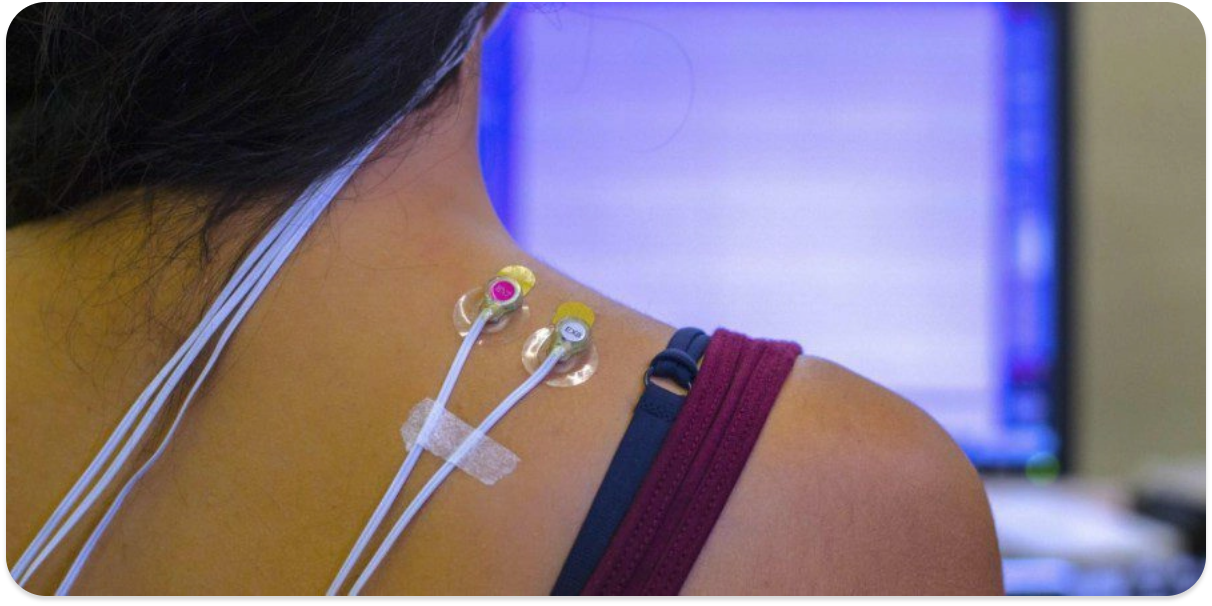
Bridging the gap between psychological and medical science, you will explore the close interconnectedness between the brain and body as part of our psychophysiology degree programs.

monitor nodes attached to woman's shoulder
Career Resources

Exploring Psychophysiology Careers

As medical technology and academic studies advance, more medical fields have become deeply specialized, allowing patients to get priority treatment optimized for their hyper-specialized needs. The world of psychophysiology, biofeedback therapy, and neurofeedback medical practice are prime examples of this evolution of the medical field. In psychophysiology, doctors study the relationship between the mind and […]
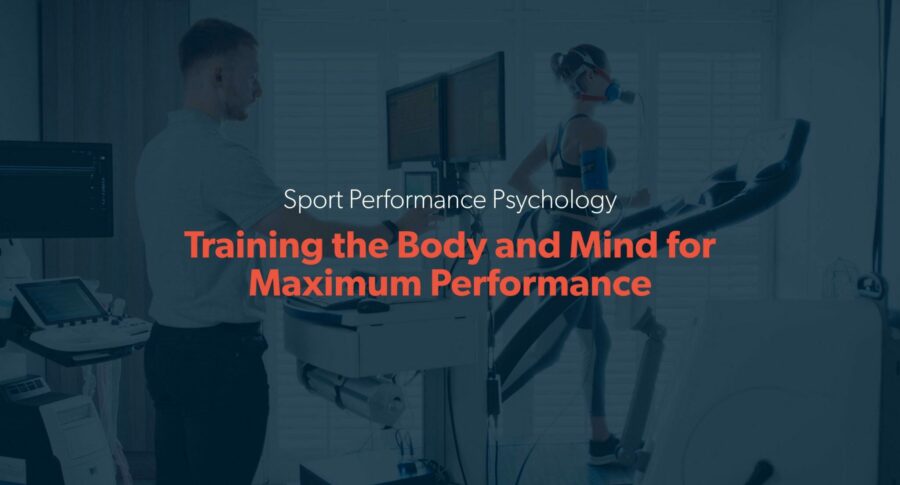
training the body and mind for maximum performance
Nutrition & Wellness

Sport Performance Psychology: Training the Body and Mind for Maximum Performance