Menu

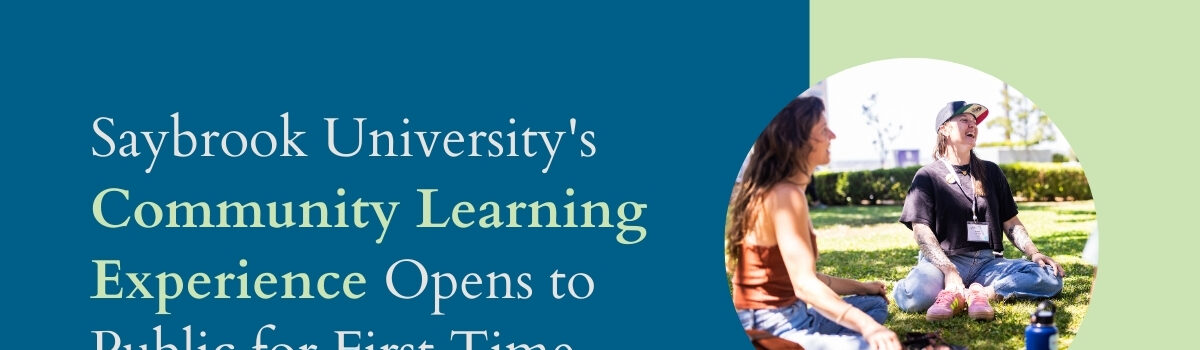
Saybrook University’s Community Learning Experience Opens to Public for First Time

Saybrook University is proud to announce its biennial Community Learning Experience, taking place from August 25-29, 2025, in Los Angeles, California. For the first time, registration for this event will be open to the broader public, inviting community members to engage in a transformative opportunity for academic, professional, and personal growth. The 2025 event will explore the theme “Integrating Mind, Body, and Community for Holistic Health.”

Designed to foster connection, reflection, and learning, the event will host more than 100 sessions and networking opportunities exploring the role of integrated health in education, therapy, and community engagement. Attendees will leave with practical tools, fresh perspectives, and ideas to bring back to their work and communities.

“At Saybrook, we believe that human connection is the core driver of academic, personal, and professional growth, which is why we are thrilled to open this signature learning experience to the broader community,” said Jeremy Moreland, Ph.D., president of Saybrook University. “As a pioneer in hybrid instruction, we understand that true educational transformation happens in a supportive, interconnected community. We look forward to fostering these vital relationships, empowering our attendees to make an even larger positive impact in their own lives and in the communities they serve.”

Originally developed to enhance engagement for students learning in an online environment, the Community Learning Experience offers a rich program of learning sessions, experiential activities, and inspiring evening events. The five-day event will explore key themes intended to support a holistic approach to learning and well-being including mindfulness, dissertation and research skills, clinical applications, diversity and social justice, and humanistic psychology.

“In our increasingly modern world, fostering genuine belonging and an acute awareness of interconnectedness is vital,” said Michael Horowitz, Ph.D., chancellor of The Community Solution Education System, which includes Saybrook University. “Saybrook’s Community Learning Experience does just that by bringing our vibrant community together to nurture the relationships and shared insights that empower individuals to create lasting impact.”

During the first evening of the Community Learning Experience, Saybrook will come together to mark a new chapter with the inauguration ceremony for Dr. Moreland, who assumed the Saybrook presidency in May.

The Community Learning Experience is made possible, in part, by the support of its sponsors Caliwater (Presenting Trailblazer Sponsor), Mission Community Hospital, and Acting Out of Character (Ambassador of Change Sponsors).

For more information about the Community Learning Experience and to register as a participant, please visit the CLE page.

How to Become a Biofeedback Therapist

Biofeedback is a therapeutic technique therapists, counselors, coaches, doctors, nurses, and teachers use. Becoming a biofeedback practitioner varies by field, demanding various education and training requirements. To be recognized as a biofeedback professional, you must earn your biofeedback certification from the Biofeedback Certification International Alliance (BCIA) organization.

Saybrook University’s online Mind-Body Medicine (MBM) program includes a master’s and doctoral degree, each with biofeedback courses that expand on the technique’s research, application methods, and patient care. The master’s degree and the Ph.D. in Mind-Body Medicine focus on holistic approaches to integrated healing by applying scientifically supported practices.

The MBM program includes elective courses that prepare students to earn the BCIA certification. Both the MBM master’s and Ph.D. give graduates a competitive edge in the biofeedback industry with a thorough understanding of sustainable and complementary wellness solutions that go beyond symptom relief to restore the balance between mind, body, and spirit.

What Is Biofeedback?

As part of mind-body medicine, biofeedback is a self‐regulation technique in which patients learn to adjust their physiology to improve their physical, mental, emotional, and spiritual health. Individuals learn to control body processes that were previously thought to be involuntary. Anxiety is a common condition treated with biofeedback by helping the patient become aware of their thoughts, feelings, and behaviors related to their physiology to then learn to self-regulate. This technique is commonly used for stress-related medical conditions.

The Saybrook biofeedback training sequence covers the Blueprint of Knowledge adopted by the Biofeedback Certification International Alliance to guide the training of biofeedback professionals. The three Mind-Body Medicine elective biofeedback courses expand on clinically measuring and applying this approach, utilizing biofeedback in psychotherapy, optimal performance training in sports and the arts, and personal transformation.

Basic Training and Education in Biofeedback online course provides students with a foundational understanding of psychophysiological research-based biofeedback applications for common medical and behavioral conditions as part of integrative health care. This mind-body medicine course gives an introduction to how to use and measure physiological systems of biofeedback instruments.

The Advanced Biofeedback course includes online contact with the mind-body medicine faculty and students, working through directed readings and research in biofeedback specialty areas, and the applied practice of biofeedback and/or neurofeedback with regular group-based supervision.

The third mind-body medicine biofeedback course is Heart Rate Variability (HRV) Biofeedback, available only to Mind-Body Medicine Ph.D. students. It emphasizes methods for evaluating and training autonomic nervous system quieting through heart rate variability biofeedback training. HRV is backed by extensive research and has proven to have therapeutic benefits for medical and mental conditions. This course meets the requirements for the Biofeedback Certification International Alliance “Certificate of Completion” in heart rate variability.

Biofeedback Therapist Education Requirements

Similar to the various biofeedback careers, becoming a biofeedback therapist depends on each state’s requirements. It is commonly expected to become a mental health professional/behavioral disorder counselor by earning a bachelor’s and master’s degree in mind-body medicine, psychology, or a related social science field. Graduates must complete a specified number of hours of supervised clinical experience, pass the Biofeedback Certification International Alliance examinations, and complete continuing education every year as required to maintain the certifications.

Saybrook University offers an online Biofeedback Certificate that aligns with the BCIA’s Blueprint of Knowledge. This certificate prepares students for the exam with proficiency using biofeedback technologies, assessment, and intervention strategies. Students in the Ph.D. Mind-Body Medicine general program will have the flexibility to earn this certificate while earning their doctoral degree.

The levels of BCIA biofeedback certifications vary by professional experience:

Join Saybrook’s Online Mind-Body Medicine Program

To pursue a career in biofeedback, you will need at least a master’s degree to be eligible for the Biofeedback Certification International Alliance required certifications. Saybrook University offers an online master’s in Mind-Body Medicine, a Ph.D. in Mind-Body Medicine, and a Biofeedback Certificate, which all prepare you to meet the certification requirements, build in-depth psychophysiology knowledge, and effectively utilize biofeedback instruments to effectively evaluate the patient.

Alumni Stories: H.D. Kirkpatrick, Ph.D.

The self-directed learning inherent at Saybrook University paved the way for H.D. Kirkpatrick, Ph.D., to have a career in forensic psychology and storytelling.

H.D. Kirkpatrick, Ph.D., was first introduced to humanistic learning principles when studying Carl Rogers and Rogerian therapy while obtaining his M.Ed. at UNC-Charlotte, influencing him to pursue education in humanistic psychology. When he heard about a group of humanistic psychologists in Old Saybrook, Connecticut, who were putting together a school in the Bay Area, then called the Humanistic Psychology Institute, he jumped at the opportunity to study at their university and pursue the California dream.

“Back then, it was right on the cutting edge of counter-weight to behaviorism and Freudism, and that was pretty important,” Dr. Kirkpatrick says. While there, he studied with Carl Rogers and other influential voices in this space. “I had many, many positive experiences through the Saybrook faculty.”

“Part of what was attractive about Saybrook was the self-directed learning process that was inherent in its dynamics and philosophic stance,” he adds.

After graduating, he discovered the courses of study he had chosen to pursue were not enough for him to pass the clinical psychology exam. Instead, he used the self-directed process to find teachers who could fill in the gaps for him. Says Dr. Kirkpatrick, “Learning about the power of self-directed learning and the wisdom that comes from paying attention to one’s inner self, that was something I took away.”

Post-Saybrook

While at Saybrook, he was licensed as a marriage and family therapist and opened a private practice. He later obtained licensure as a clinical psychologist. At the time, he says, states across the U.S. were undergoing mandatory child abuse reporting laws. Studying this led him to find forensic psychology, and he went on to study at the California School of Professional Psychology in Berkeley for certification in forensic psychology, specializing in both criminal and civil matters.

Over time, he became involved with child abuse cases, particularly within the context of high conflict child custody cases. “I developed, for better or worse, a name for myself as someone crazy enough to evaluate those kinds of cases for courts and for attorneys,” he says.

Dr. Kirkpatrick used his learnings from Saybrook in his forensic practice, he says. In a process he learned at Saybrook, he would listen to people’s stories, sitting back and saying very little for a few hours to let their story unfold.

Recent Achievements

About 10 years ago, Dr. Kirkpatrick was working in his forensic practice and learned of a high school acquaintance, Jimmie Kirkpatrick, who had news to share: H.D.’s ancestors enslaved Jimmie’s ancestors.

“That was a mind-blowing, life-changing set of circumstances.” Dr. Kirkpatrick closed his practice to pursue knowledge about his own ancestors, Jimmie’s ancestry, and the history of enslavement.

Together, they’ve worked on a documentary called “A Bonding Truth” about their experience, and they’ve become close friends. “We’ve become brothers, our families vacation together, we’ve become very close,” he says.

In 2022, Dr. Kirkpatrick published a book, “Marse: A Psychological Portrait of the Southern Slave Master and His Legacy of White Supremacy,” and he and Jimmie are working on a book together, with the working title being “Brothers by Enslavement.” They’ve also formed an educational business called Stirring the Ashes, and created a nonprofit foundation called Kirkpatrick Foundation Inc., which aims to help projects that explore the impact of enslavement on America.

With this work, Dr. Kirkpatrick is “pursuing the objective truth about things,” and he works to use solid research methodology to make public presentation and stick to the truth, which are themes that underpinned his forensic work, he says.

His stance is that the U.S. was founded on the enslavement of Indigenous people, Africans, African Americans, and people of all colors suffered as a result. This is an important history to understand where the country is today.

“I want to spend whatever time I have left on this earth by presenting the truth in ways that are pretty clear-eyed,” Dr. Kirkpatrick says.

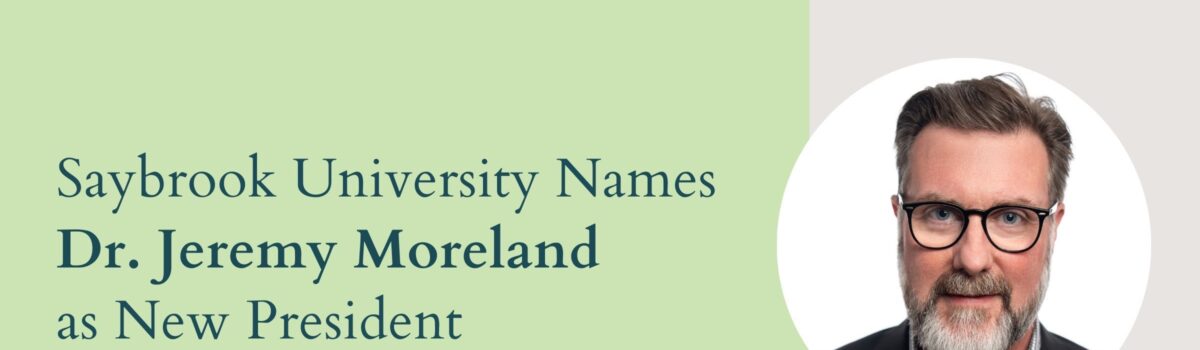
Saybrook University Names Dr. Jeremy Moreland as New President 

PASADENA, Calif., May 8, 2025 – Saybrook University is pleased to announce the appointment of Jeremy Moreland, Ph.D., as its new president. With more than three decades of experience in higher education, Dr. Moreland brings a wealth of expertise in strategic collaboration and operational excellence. His distinguished career reflects an enduring focus on student success and a commitment to impactful institutional advancement. 

“We are thrilled to welcome Dr. Jeremy Moreland as the next president of Saybrook University,” said Patricia Breen, Ph.D., chair of the Board of Trustees for Saybrook University. “He exhibits a proven ability to lead institutions to new levels of success and shares our dedication to educating strong humanistic leaders who go on to positively impact their fields and communities.” 

Dr. Moreland most recently served as president of William Woods University, where he led the institution through a comprehensive revitalization—growing enrollment, launching new degree programs, expanding online offerings, and increasing philanthropic support. Prior to that, he served as provost and chief academic officer at St. Thomas University, where he contributed to significant growth in enrollment and student retention.  

“I am honored to join Saybrook University as its next president, an institution whose values so closely align with my own,” said Dr. Moreland. “Saybrook’s bold commitment to social transformation and dedication to the humanistic tradition make it a truly exceptional institution. I look forward to working together to nurture an innovative, learner-centered community, ensuring that Saybrook thrives both now and in the future.” 

Dr. Moreland holds both a Master of Science and Doctor of Philosophy in General Experimental Psychology from Texas Christian University. He is a recognized advocate for learner-centered education and positive social impact. 

“Dr. Moreland’s commitment to innovation and his collaborative leadership style resonate strongly with the values of Saybrook University and our broader System,” said Michael Horowitz, Ph.D., chancellor of The Community Solution Education System, which includes Saybrook University. “His passion for student success and his understanding of the needs of today’s learners make him the ideal choice to lead Saybrook’s next chapter.” 

For more information about Saybrook University, visit www.saybrook.edu. 

About Saybrook University 

From its inception in 1971, Saybrook University has empowered students to create a more sustainable and just world. A pioneer in hybrid instruction, Saybrook transforms learning by humanizing the virtual experience to develop leaders who drive positive social change and prioritize holistic health. One of the first U.S. universities to offer online graduate education to working professionals, Saybrook combines online education with in-person learning experiences for a tailored, comprehensive academic environment. The Saybrook experience is rooted in the humanistic tradition, allowing the community to help students reach their full potential. Saybrook is accredited by the WASC Senior College and University Commission. Saybrook University is part of The Community Solution Education System, a nonprofit system of colleges and universities working together to advance student success and community impact. For more information, visit www.saybrook.edu.  

Alumni Stories: Siri K. Zemel, Ph.D.

Siri K. Zemel, Ph.D., had just reached a new career peak in 2012. After working in private practice as a registered dietician and serving as executive director at an eating disorder treatment center. Yet despite her impressive career trajectory and busy family life, she felt something was missing.

“I was busy, but something in my soul was missing and unexpressed,” Dr. Zemel says. “I didn’t know how to capture or channel it.”

Dr. Zemel began to investigate doctorate programs, eventually finding Saybrook University. The Mind-Body Medicine program in particular spoke to her. She saw Saybrook as a safe place to explore a spiritual part of herself that she had suppressed. “When I started Saybrook, I felt very fractured,” she says. “There was a part of me that was hidden.

Saybrook allowed me to tap into it.”

Dr. Zemel started her educational journey in 2012, enrolling in the Ph.D. in Mind-Body Medicine program. Having already worked in the health care field, she was particularly interested in mind-body medicine within health care, setting a strong foundation for her future consulting work.

While at Saybrook, Dr. Zemel only became busier. She had been promoted again to run a second treatment center, leading her to juggle her leadership role at the clinics, work with private patients, raise her young family, and earn her doctorate at the same time. Yet Dr. Zemel persevered, balancing her upward career journey with her spiritual exploration and Saybrook education.

“I kept advancing on the trajectory that I was on, but a lot changed internally, because Saybrook gave me the permission to go the other direction,” Dr. Zemel notes. “I’m very ambitious, and I always want to grow, but Saybrook invited me to slow down and to listen at a deeper level and integrate my entire being in all that I do.”

Once she graduated, Dr. Zemel continued her work with a revamped holistic perspective, integrating her humanistic values into patient care and staff relations. She then transitioned from direct patient care to systems-level strategy work, taking on a Chief Strategy Officer position with a larger residential center for both eating disorders and drug and alcohol abuse, while also leading a smaller eating disorder and integrative care clinic.

While Saybrook provided much in the way of her education, it also deepened Dr. Zemel’s spiritual self-confidence thanks to the likeminded community of “curious explorers” she met. Her cohort normalized her existence as a professional health care executive and as a spiritual explorer herself, though she still hadn’t fully unlocked that side of herself yet. As part of group work, her cohort encouraged her to dig deeper and share more about her experiences, something she never felt safe enough to do previously.

She finally brought her spiritual side to the forefront in 2021 when she published “Guided: Journey into the Unknown to Awaken the Soul and Live in Truth.” In “Guided,” Dr. Zemel shared her experience as a spiritual channeler through speaking in tongues.

In 2024, after taking a sabbatical to focus on her family, Dr. Zemel zeroed in on this side of herself even more. She conducts research with the Institute of Noetic Sciences to develop ethical standards for mediums and channelers. This work is emblematic of her own journey so far, bridging her professional rigor with her spiritual exploration. Dr. Zemel credits Saybrook for teaching her to slow down and focus inward, in turn giving her permission to prioritize her family, deepen her spiritual practice, and approach life with a more integrated perspective.

“That’s really what my journey is about: the integration of both sides of myself,” Dr. Zemel explains. “It’s a slow journey, but I am letting that part of me fully and completely emerge. I’m not forcing it forward. I’m not strategizing in my own egoistic expectation of how the world sees me. I’m a partner in what wants to emerge through me, and that is very new and wonderful.”

Nutrition and Environmental Justice: 7 Essential Tips

Discover how nutrition professionals promote sustainable food systems, address health disparities, and advocate for food justice in the face of climate change.

The growing impacts of climate change have underscored an urgent truth: Health, food systems, and environmental justice are deeply interconnected.

To explore these vital connections, we sat down with Maureen Molinari, Ph.D., a faculty member at Saybrook University, whose expertise bridges nutrition, health, and sustainability.

Dr. Molinari teaches in Saybrook’s Ph.D. in Integrative and Functional Nutrition, where doctoral students apply nutrition science to real-world community health challenges.

In our conversation, Dr. Molinari sheds light on how these interconnected factors impact food justice and climate change.Dr.Molinari emphasizes the importance of recognizing how our food choices affect not just individual health but also environmental sustainability and social equity.

Integrating these themes into programs in Integrative and Functional Nutrition (IFN), Saybrook equips students with the knowledge and skills necessary to navigate the multifaceted challenges facing our food systems.

In these seven essential tips, learn more about the role nutrition professionals play in promoting sustainable practices and addressing health disparities—and how Saybrook prepares students to be catalysts for change in their communities.

Nutrition support leads to better health outcomes.

With a deep understanding of the relationship between food, physical health, and environmental factors, nutrition professionals are critical to our health.

“Nutrition professionals play a critical role in understanding the impact of nutrition on health and can work with clients in a person-centered manner,” Dr. Molinari says.

Research shows that nutrition support can significantly reduce the risk of chronic diseases and improve overall well-being.

Despite playing such a vital role in public health, nutrition professionals are often undervalued within the health care system. Some patients don’t receive insurance coverage for nutrition consultations, preventing them from receiving valuable preventative care. Others are not aware of the value nutrition support can bring, making it important for health care professionals to highlight the benefits of working with a nutritionist.

Geography helps shape nutrition.

Where we live has a significant impact on our health and well-being. What health risks are we exposed to? Do we have access to clean air, safe water, and nutritious food? How easy is it to find a doctor or a specialist in our community?

Urban areas, especially those with limited access to fresh food, often face challenges such as food deserts and the high cost of nutritious options, contributing to higher rates of diet-related chronic diseases. In rural regions, barriers such as poor infrastructure and limited availability of affordable, healthy food exacerbate nutritional health disparities.

That’s why it’s important for nutritionists to take a holistic approach to health—factoring in the specific geographic and environmental factors shaping a patient’s experience. Nutritionists play a crucial role in addressing these environmental and social health challenges by helping individuals navigate the limitations of their environments.

Climate change is impacting local food systems.

Climate change poses a significant threat to food security and health outcomes, particularly for low-income and marginalized communities.

“Catastrophic events—such floods and fires—disproportionately affect vulnerable communities, particularly where food is grown,” Dr. Molinari says.

The frequency of extreme weather events is increasing, impacting local food supplies. “These natural disasters can disrupt food systems, drive up prices, and exacerbate existing inequalities.” This disproportionate impact often forces these communities to rely on less nutritious, processed foods, leading to poor health outcomes and rising rates of diet-related diseases.

Nutrition professionals are making a difference in advancing climate and food justice by:

  • Advocating for sustainable practices
  • Educating patients about nutrition
  • Collaborating with local organizations, including nonprofits and agriculture workers
  • Helping communities understand the environmental impact
  • Promoting policies that support equitable food systems
  • Engaging in interdisciplinary initiatives that address broader social determinants of health

Food insecurity greatly impacts long-term health.

“Lack of access to nutritious foods can have long-term consequences for families and communities,” Dr. Molinari says. Extending well beyond hunger, the effects of food insecurity can lead to long-term health issues. So how can nutritionists and community members make a difference?

To prepare nutritionists for addressing food insecurity, Dr. Molinari weaves food justice throughout her Integrative Functional Nutrition courses. For example, in her Integrative Approaches to Chronic Disease course, she prompts students to consider a patient’s life circumstances during treatment—including food budget and access. “This approach equips future nutrition professionals to make informed referrals and connect clients with valuable resources,” she says.

Nutritionists play a vital role in combating food insecurity by:

  • Collaborating with local organizations, food banks, and community centers to increase access to nutritious food
  • Delivering literacy programs that teach others how to prepare healthy meals on a budget
  • Educating patients and families about how to make healthier food choices with limited resources
  • Advocating for policies that address the root causes of food insecurity, such as increased funding for food assistance programs and initiatives promoting living wages

Nutrition professionals are essential advocates.

Policy advocacy is another way nutritionists can make a difference.

“Real change happens when we address root causes, often through policy interventions,” Dr. Molinari says. “It’s essential to develop policies that create more resilient systems. Without this focus, efforts may only serve as temporary fixes rather than sustainable solutions.”

Many nutritionists work alongside local organizations to influence policies aimed at ensuring equitable access to healthy foods, supporting local agriculture, and addressing systemic issues contributing to food insecurity. This might include building or incentivizing grocery stores in underserved areas, creating farmers’ markets, developing community gardens, or improving public transportation to connect residents with places that offer fresh and affordable food.

“Our experiences with patients can inform better practices and regulations,” Dr. Molinari says. This advocacy is essential for creating lasting change—particularly in marginalized communities.

Food choices come with an environmental cost.

According to Dr. Molinari, food choices matter, and the environmental impact of our food choices goes far beyond the kitchen table.

“The environmental costs of certain foods are critical to understand—for the public, but also for nutritionists,” Dr. Molinari says. On a larger scale, the resources required for food production—such as the extensive water use for certain crops, the distance food travels, or the land required for livestock—take an even greater toll on the environment.

“Educating the public on how to select sustainable products could make a real difference,” Dr. Molinari says. While it’s not always feasible, consumers can minimize these impacts by choosing local, seasonal foods, reducing both transportation costs and food spoilage.

Cultural responsibility is a key aspect of nutrition.

Culturally responsive practices are vital for nutrition professionals working to address food disparities.

Understanding and respecting diverse cultural backgrounds allows nutritionists to develop tailored interventions that resonate with the communities they serve. This includes recognizing cultural diets, food practices, and values, then incorporating them into nutrition education and advocacy efforts.

“We assess individual preferences, access, and health needs,” Dr. Molinari says. “This allows nutrition professionals to tailor our recommendations effectively.”

Ready to make a difference supporting food and climate justice?

Saybrook’s Integrative Functional Nutrition programs are leading the way in nutrition education, preparing the next generation of nutrition professionals to care for vulnerable communities.

The M.S. in Integrative and Functional Nutrition trains practitioners in community-informed clinical care, incorporating food access, environmental factors, and social determinants of health alongside functional nutrition science.

The Ph.D. prepares researchers and program leaders to advance the field at an institutional level. Both degrees fulfill the academic requirements for the Certified Nutrition Specialist (CNS) credential and are available fully online, making them accessible to students wherever they practice.

Saybrook’s approach fosters hands-on learning through community-based projects, allowing students to engage directly with local organizations to address food insecurity, conduct nutritional assessments, and develop sustainable food programs. This practical experience allows students to deepen their understanding of community needs while cultivating skills in advocacy.

What Is Sports Psychology? Skills Needed to Become a Sports Psychologist

Saybrook University offers an online M.S. in Sport Performance Psychology degree program that prepares students to pursue various careers working with athletes, military personnel, musicians, performers, and others in similarly competitive or intense environments. Students in our Sport Performance Psychology program learn to help athletes and performers better understand how their thoughts and mindsets can alter their performance, whether it is in competitive sports, careers, or performing on stage.

What Is Sports Psychology?

Sports psychology is a therapeutic approach that optimizes the well-being and performance of athletes. Sports psychologists address social and developmental factors that function as intrinsic elements in competitive sports and performance-driven environments. These psychological interventions are not limited to benefiting only athletes or performers; rather, they include coaches, parents, and administrators who work in competitive settings.

Graduates of our M.S. in Sport Performance Psychology program learn to design and implement techniques that improve performance for individual athletes and artists, teams, and organizations. This online sport and performance degree prepares students to work with people of all ages, from young to professional athletes, and from various backgrounds, such as military personnel or artistic performers, including musicians and dancers.

Beneficial Skills for Sports Psychologists

A sports psychologist requires an array of skills combining traditional sports medicine with the mind-body sciences of psychophysiology to thoroughly understand how one’s mindset can alter their physical ability and performance levels. These mental health professionals use clients’ biological and mental health to guide counseling applications.

As part of the Sport Performance Psychology master’s degree, several core program courses ensure students learn these skills:

Counseling Intervention

The Counseling Skills and Athletic Counseling course covers a broad range of counseling and consultation theories and their applications, basic and advanced helping skills, client and helper self-understanding and development, and the facilitation of client change. These skills help sports psychologists select from an array of applicable theories, choosing the best approach to helping athletes and artists optimize their performance through mental health techniques and interventions.

Understanding and Analyzing Biofeedback

Basic Training and Education in Biofeedback is an online course that provides students with the skills to conduct simple biofeedback interventions, engaging in biofeedback-based clinical practice and psychophysiological research in integrative health. In other words, this course teaches our graduates how to use a data-driven approach in psychotherapy. The ability to understand and analyze biofeedback results and adjust the patient care plan can be used by sports psychologists for optimal performance training in sports and the arts, and in their own personal transformation.

Applying Physiological Applications

The online M.S. in Sport Performance Psychology includes two courses that provide students with the foundation needed to apply physiological techniques to assist in athletic or artistic performances: The Psychological Aspects of Athletic Injury and Foundations of Sport and Performing Arts Physiology.

The Psychological Aspects of Athletic Injury is a comprehensive course on the mental toll of an athlete receiving treatment or rehabilitation for an injury as well as the issues that follow with return to play delays and progression. This online course will prepare students to develop a psychological rehabilitation program, work for the rehab team, and use counseling techniques to help the athlete adjust to the injury. These practical skills work to improve patient care by ensuring the athlete or performer is receiving both mental and physical treatment while recovering. Focusing on both mind and body care, the athlete is likely to have a smoother transition returning to play.

Foundations of Sport and Performing Arts Physiology focuses on the central nervous system, autonomic nervous system, musculoskeletal system, cardiovascular system, and respiratory system physiology to guide counseling interventions to assist athletes and performers. This course studies the interconnectivity of the mind and body, encouraging students to discuss the practical applications specific to various sports and performing arts.

Why Are Sports Psychologists Important?

Competing in sports or performing arts can offer physical and mental benefits for the individual, including mental toughness, coping mechanisms, and physical fitness. However, despite these benefits, the competitors may still suffer from mental conditions such as stress, anxiety, or depression, which may hinder their performance levels. Sports psychologists learn to recognize the signs of mental distress in athletes and performers while working with teams, groups, and organizations. These mental health professionals also work with individuals through private practice and work with the coaching staff and administrators to integrate mental health practices to reduce unnecessary stress.

Graduates of the Sport Performance Psychology program can pursue other careers and apply these mental health techniques to improve competitive performance, such as becoming a head coach, personal trainer, performance enhancement specialist, professor, or Certified Mental Performance Consultant.

Earn an M.S. in Sport Performance Psychology Degree

The M.S. in Sport Performance Psychology degree from Saybrook University is a stepping stone for prospective sports psychologists seeking to work with professional performers or open their own practice working with individuals or teams. This online degree can benefit future coaches, administrators, trainers, and instructors or assist athletes and performers in achieving optimal performances.

Additional licensing and education are required to become a sports psychologist. Graduates must earn their master’s and doctoral degrees in sports psychology, complete the required practical experience, and obtain licensure from the Association for Applied Sport Psychology. This degree does not automatically make a graduate a sports psychologist but helps build a foundation of physiological knowledge and therapeutic guidance for a sports or sports psychology career.

Whether you want to be a sports psychologist or work in a competitive setting and wish to apply the practical skills taught in the program to your personal and professional life, then apply today and start your journey of utilizing psychology and physiology to enhance performance.

Alumni Stories: Darlene Viggiano, Ph.D. (MFT)

Darlene Viggiano, Ph.D., is not one to let her personal challenges overwhelm her. Instead, she has channeled them into becoming the therapist, educator, and advocate she is today. Her life journey has been one of transformation, resilience, and a commitment to empowering others. Having graduated from Saybrook University with a Ph.D. in Psychology, she draws on her unique blend of experiences, academic training, and spiritual insight to guide others through life’s complexities.

Growing up in Brooklyn and New Jersey, Dr. Viggiano’s early years were marked by activism and a keen awareness of social justice issues.

“I grew up in the ’60s, so I was big into kids’ rights,” Dr. Viggiano says. “I was big into women’s rights. I was big into civil rights. I was big against the Vietnam War.”

Her cousin’s death in Vietnam reinforced her commitment to principles over blind patriotism. “I always knew that if it ever became a question between my principles and my country, my principles would come first,” she says.

Dr. Viggiano’s passion for learning extended to languages. She became proficient in Spanish, Japanese, and French, sparking an early interest in diplomacy and international work. After college, those skills led her to Japan, where she spent a year immersing herself in Japanese culture. The experience opened her eyes to global perspectives and laid the groundwork for her later work.

In the following years, Dr. Viggiano suffered a number of difficulties and setbacks in her personal life. Though traumatic, these experiences led to evolution in her career. Dr. Viggiano experienced the transformative power of therapy, which not only helped her realize who she believes herself to be but also informed some of her later work.

“My divorce came out of the miscarriage that I had; we had different ways of processing it,” Dr. Viggiano says. “I wrote ‘Carrying On,’a workbook for pregnancy loss,to help me process, because at that time, there were plenty of workbooks on grief but none for miscarriages. I had to write my own.”

This period of upheaval became a catalyst for profound self-discovery during which Dr. Viggiano found her championing of social justice issues intersecting with new work in therapy.

“My work in social justice informs my spirituality, my politics, everything,” she says.

Seeking a program aligned with her humanistic values, Dr. Viggiano pursued a Ph.D. in Psychology at Saybrook University. She appreciated the university’s emphasis on humanistic, transpersonal, and Jungian approaches. Her coursework took on a deeper meaning as she began her dissertation writing process during a time when her father’s health was in decline.

“The two experiences, my dissertation writing process and my father dying, melded together,” Dr. Viggiano says. “What Saybrook afforded me was the opportunity to put a scientific, rigorous grounding beneath all of the spiritual synchronicities that came out of my own therapy.”

This integration of science and spirituality became a hallmark of her therapeutic approach.

Dr. Viggiano’s academic work extended beyond her dissertation, with publications and contributions in areas such trauma, sexual violence, and economic abuse. These specializations were informed by her own experiences, and “using [her] life experience to help others with their life experience” became a guiding principle in her work.

Dr. Viggiano’s approach to therapy is deeply personal and transparent, embracing a more humanistic, transpersonal style that encourages openness and connection with her clients. Her therapeutic style reflects her belief in empowerment. This ethos was reinforced by her Saybrook experience.

“I’m really grateful for my Saybrook background. Most Saybrook students are doing this study from their heart; they’re not just doing it to get a degree,” she says. “I encourage people to use their time at Saybrook to feed their soul as much as their career.”

Famous Athletes and Sport Psychology

Sports psychology is the study of how the brain and body influence the athlete’s overall performance. Athletes who use sports psychology seek to enhance their performance by overcoming mental barriers through new mindful strategies.

Saybrook University offers a Master of Science in Sport Performance Psychology, which can help graduates work toward a career in sports psychology with the opportunity to work with professional athletes. The graduate degree in sports psychology aims to educate students on how to help athletes of all levels achieve optimal sports physiology and enhance their competitive performance.

Athletes Who Use Sports Psychology

Many professional athletes have turned to mindfulness to enhance their athletic performance and manage the pressures and intensity of competing at high levels. Kobe Bryant, Michael Jordan, and Shaquille O’Neal are notable NBA athletes who used mindful techniques to sharpen their focus and mental health throughout their careers.

By weaving in mental practices such as meditation, these national athletes could stay present in the most intense games, reduce stress, and perform their best under extreme pressure. These NBA stars pay tribute to their success and how sports psychologist George Mumford introduced them to mindfulness techniques. They are taught how mental health can be a powerful tool for athletes striving for clarity and enhancing competitive performance.

Athletes such as Tom Brady, Russell Wilson, Mia Hamm, and Simone Biles have all brought attention to the mental health aspect of competing at the professional level, on national teams, or at the Olympics. These athletes have used sports psychologists to help their athletic careers.

  • Tom Brady is a former professional football player who played for the New England Patriots and the Tampa Bay Buccaneers. During his college athletic career at the University of Michigan, Tom Brady worked with famous sports psychologist Greg Harden to help him develop a more resilient and focused mindset.
  • Russell Wilson is a professional football player who plays for the Pittsburgh Steelers. He openly speaks about his use of the sports psychologist Trevor Moawad, who helped him maintain his mental health and performance under the pressure of competing in the NFL through mental conditioning practices.
  • Mia Hamm is one of the most famous female soccer players. She is a two-time Olympic gold medalist, earned one silver medal, and is a two-time FIFA Women’s World Cup Champion. Hamm has expressed the importance of mental preparation and techniques she and her teammates started using in the 1996 Olympic Games. Dr. Colleen Hacker was a sports psychologist for the U.S. Women’s National Soccer Team from 1995 to 2004, helping them win their Olympic medals.
  • Simone Biles, the GOAT, has earned seven gold medals, two silver medals, and two bronze medals while competing for Team USA in the Olympics. Biles earned 30 World Championship medals, making her the most decorated gymnast in history. With her success, she has felt the pressures of competition at such a high level on her mental health, leading her to seek professional help. She has spoken about her use of sports psychologists, especially when she withdrew from a few events at the Tokyo Olympics to focus on her mental health. Biles has emphasized the importance of mental health for athletes at all levels, not just at the professional or Olympic platform. She has used Robert Andrews to work on mindfulness and confidence to realize her potential to become a successful world champion.
  • Michael Phelps, the most decorated Olympian in history, holds 23 gold medals across four Olympic Games. Throughout his career, Phelps worked extensively with his coach Bob Bowman on a visualization practice that became one of the most documented examples of applied sport psychology in elite competition. Before every race, Phelps would run a detailed mental film, every stroke, every turn, every competitor scenario, until the visualization was as automatic as the physical movement. Bowman described the goal as “programming the mental software” so that no competitive situation could be novel. After retiring from competition, Phelps was candid about his struggles with depression and the absence of the psychological structure that elite training had provided. He sought professional mental health support, a decision he has since spoken about publicly and at length, including before Congress. He now works through the Michael Phelps Foundation to expand access to mental health care for athletes at all levels. His case is one of the clearest examples in professional sports of how the same psychological training that builds peak performance can also protect against the mental health costs of elite-level competition.
  • Naomi Osaka, four-time Grand Slam tennis champion and one of the most recognized players in the world, brought the intersection of elite sport and mental health into global focus when she withdrew from the 2021 French Open citing the mental health costs of mandatory post-match press conferences. Osaka had worked with sports psychology practitioners throughout her career on the focus and pressure management demands of professional tennis, a sport where every match is played individually, without the buffer of teammates, in front of thousands of spectators and millions of viewers. Her withdrawal, which she described as a decision to protect her mental health over competitive obligation, prompted the WTA and ATP to revise their media requirements and opened a broader public conversation about psychological welfare in professional sport. Osaka has spoken about working with mental health professionals during her career and has been deliberate about discussing anxiety and depression, not as weaknesses but as conditions that require the same professional attention as a physical injury. Her profile makes her one of the most significant examples in modern tennis of how sport psychology and clinical mental health support intersect for an elite competitor navigating global scrutiny.

The practitioners behind these athletes, George Mumford, Greg Harden, Dr. Colleen Hacker, Trevor Moawad, and Robert Andrews, were trained in sport psychology at the graduate level before working with anyone at the professional tier.

The path from student to practitioner at that level starts with a rigorous master’s program grounded in both the psychological and physiological science of performance. Saybrook University’s M.S. in Sport Performance Psychology prepares graduates for exactly that work, combining traditional sport psychology with psychophysiology, the same science that explains what made Phelps’ visualization and Bryant’s mindfulness measurably effective.

How Do Athletes Use Sports Psychologists?

Athletes use sports psychologists to enhance their mental game, improve performance, and maintain overall well-being. Some athletes learn strategies to use their bodies more efficiently and others want to confront their fears after recovering from an injury.

Here are five common areas of sports psychology for athletes to enhance their performance:

  • Mental Toughness: mental strength is the blend of psychological characteristics that help athletes reach optimal performance: strong self-confidence, the ability to process and adapt to setbacks, the drive and discipline to succeed, and staying calm, collected, and focused under pressure.
  • Goal Setting: Visualizing short-term goals needed to help athletes achieve their long-term goals can help them feel more confident and in control of their performance. The blend of long- and short-term goals allows athletes to feel less pressured and calmer and more focused before they compete.
  • Stress and Anxiety: Performance anxiety, burnout, and stress before, during, or after the game can hinder the athlete’s performance. Sports psychologists use relaxation techniques to change negative self-talk, build confidence, and restore balance, which can help prevent psychological detriment in an athlete’s performance.
  • Motivation and Team Building: Positive self-talk, confidence-building techniques, and motivational practices can help strengthen an athlete’s self-efficacy and boost team morale.
  • Recovery and Rehabilitation: Sports psychologists help athletes cope mentally with injuries and maintain a positive mindset while on the sidelines through mental recovery strategies and rehab short-term and long-term goals.

The athletes represent a cross section of how sport psychology translates across disciplines, from the NBA to gymnastics to the NFL. What connects their experiences is consistent: working with trained professionals produced measurable improvements in focus, resilience, and performance under pressure.

Each of these five areas—mental toughness, goal-setting, stress management, motivational work, and rehabilitation support—is a distinct skill set that requires both theoretical grounding and supervised practical experience to apply effectively with athletes.

Saybrook University’s M.S. in Sport Performance Psychology builds that skill set through a curriculum designed for working professionals and delivered fully online. Graduates are prepared to pursue certification as a Certified Mental Performance Consultant (CMPC) through the Association for Applied Sport Psychology, the primary professional credential for practitioners working in performance settings.

Sports Psychology Techniques: How Elite Athletes Train the Mind

The athletes featured here, from Kobe Bryant to Naomi Osaka, didn’t share the same coaches or follow identical programs. Yet, they consistently relied on the same core mental techniques.

Understanding these strategies is essential whether you are studying sports psychology or are an athlete exploring how professional support can elevate your game.

Visualization and Mental Rehearsal

Michael Phelps and Kobe Bryant both used vivid, highly detailed mental rehearsals to prepare for competition. This works because the brain processes imagined actions almost exactly like physical ones. Phelps would imagine the exact feeling of the water on his hands, while Bryant used the practice to keep his emotions in check under intense pressure.

Mindfulness and Staying Present

Performance coach George Mumford taught mindfulness to legends like Bryant, Michael Jordan, and Shaquille O’Neal. The goal was simple: stay fully in the moment instead of stressing over a past mistake or an upcoming play. Research supports this, showing that regular mindfulness reduces anxiety and sharpens a player’s focus.

Pre-Competition Routines

Rafael Nadal’s famous rituals, like precisely arranging his water bottles, aren’t just superstitions. They are carefully rehearsed steps designed to trigger a highly focused mental state. NFL quarterback Russell Wilson used similar pre-game routines to manage his adrenaline and concentration before stepping onto the field.

Mental Skills for Injury Recovery

Simone Biles’ experience at the Tokyo Olympics highlighted a fundamental rule of sports psychology: recovering mentally from trauma or injury often takes much longer than healing physically. Psychologists play a huge role here, helping athletes navigate the anxiety of returning to play and rebuilding their confidence after major setbacks.

Managing Self-Talk

Early in his career at Michigan, Tom Brady worked with counselor Greg Harden to change his internal narrative. By learning to catch negative thoughts early, Brady replaced his self-doubt with factual, evidence-based self-assessment. He still credits this skill as a transformative turning point in his career.

What Research Shows About Sports Psychology and Athletic Performance

The stories from these athletes are backed up by a growing body of research. For students and professionals in sports psychology, this data provides the hard evidence behind the techniques top competitors use every day.

The Power of Mental Skills Training

Studies consistently show that mental skills training like visualization, goal setting, and positive self-talk directly improves performance across all sports and skill levels. In fact, combining physical practice with mental rehearsal yields much better results than physical training alone. This is especially true in technical sports where precision under pressure is everything.

Mindfulness and Focus

Systematic reviews on mindfulness in sports confirm what athletes like Kobe Bryant and Simone Biles have shared from their own experiences. Athletes who practice mindfulness report less pre-game anxiety, better emotional control during competition, and faster recovery times between events.

Mental Support During Injury Recovery

The research on injury recovery is incredibly detailed. Athletes who get mental health support alongside physical rehabilitation return to their sport faster and experience less performance anxiety. This is exactly why sports psychologists are now standard members of professional and Olympic medical teams.

Team Cohesion and Success

When it comes to team dynamics, data shows that psychological interventions build stronger communication, trust, and a shared belief in success. A classic example in the literature is the U.S. Women’s National Soccer Team’s work with Dr. Colleen Hacker between 1995 and 2004. Researchers frequently cite this era as a prime case study in how team-level mental support drives long-term championship success.

How To Become a Sport Psychologist at the Professional Level

To become a sports psychologist for professional athletes and Olympians, follow these five steps.

  • Undergraduate Degree: Obtain a bachelor’s degree in psychology, sports performance, sports psychology, or sports science.
  • Graduate Degree: Complete your master’s and doctoral degrees in sports psychology.
  • Practical Experience: Complete hands-on experience that requires working with athletes and sports teams through internships, practicums, and research.
  • Licensure and Certification: Obtain the required licensure and certifications from the Association for Applied Sport Psychology (AASP), such as the Certified Mental Performance Consultant (CMPC).
  • Professional Development involves attending workshops, conferences, and professional development courses and joining professional organizations such as the American Psychological Association (APA) for networking opportunities.

Saybrook University’s M.S. in Sport Performance Psychology is fully online, grounded in psychophysiology, and designed for students who want to work with athletes at the competitive, collegiate, or professional level. This graduate sports psychology program combines traditional sports psychology with the mind-body sciences of psychophysiology for a comprehensive understanding of how the brain and body can influence an athlete’s performance.

A doctorate is required for licensure as a psychologist; the master’s degree is the standard qualification for the CMPC credential and for most practitioner roles in professional and collegiate sport settings.

Build a Career in Sports Psychology With Saybrook University

The athletes in this article—Bryant, Jordan, Brady, Biles, Phelps, Osaka, Wilson, and Hamm—represent what is possible when high-level performance is supported by rigorous psychological training.

The practitioners behind them built careers through exactly the kind of graduate-level preparation that combines sport science, psychology, and the physiological understanding of how mind and body interact under pressure.

Saybrook University’s M.S. in Sport Performance program is a fully online master’s program designed for working professionals, grounded in psychophysiology, and structured to prepare graduates for practitioner roles in competitive, collegiate, and professional sport environments. Join now to work toward your career goal of working with famous athletes as a sports psychologist.

The Strange Pull of Research

By Walker Ladd, Ph.D.

“Let yourself be silently drawn by the strange pull of what you really love. It will not lead you astray.” — Rumi.

Many students are called to pursue a doctorate because of an experience that has impacted their lives, personally or professionally, often both. The experience gives birth to a courageous curiosity that refuses to simmer down. Conducting dissertation research can ignite this curiosity and result in profound personal and scholarly transformation. Yet, at first, there is a lot of work to clear away the cobwebs of preconceptions, schemas, and heuristics we carry about “research.”

When I started my Ph.D. in psychology, I could not imagine that research would be transformational. Like most students, I had never conducted research, but I had been told versions of what it was. My beliefs about research were shaped by intersecting social, cultural, and personal constructs of academia and nagging uncertainty about my scholarly abilities. Entering the academy, I thought research was a tiresome chore unrelated to my interests or a litmus test for a doctorate versus a vehicle for personal transformation. Indeed, I hadn’t learned yet that doing graduate research is different.

Recent findings by a team of library science researchers using qualitative methods determined that graduate students may perceive research as an abstract concept and a personal odyssey occurring over time on an emotional continuum. The authors suggest that “graduate students have an experience of research distinct from other populations” that “transcend disciplinary boundaries.” This uniquely powerful experience can cause personal transformation for graduate students.

In “Transforming Self and Others Through Research,” transpersonal researchers Rosemarie Anderson and William Braud describe transformation for a researcher as “a persistent, pervasive, and profound shift in one’s life view.” They suggest three components of transformational potential when conducting research:

  • The project has meaning.
  • The method allows for multiple ways of knowing.
  • Researcher preparation for missing skills.

To access these components, I suggest the following practices for connecting with your topic and curating your curiosity.

Connecting With Topic: The Meaning of the Problem

Connecting with the topic involves understanding how and why it has become known to us. In his landmark book, “The Wounded Researcher: Research With Soul in Mind,” Robert D. Romanyshyn noted, “The work that the researcher is called to do makes sense of the researcher as much as he or she makes sense of it. Indeed, before we understand the work we do, it stands under us.” Through ongoing reflexive practice, such as journaling, we can dig down into “what stands under us.” Connecting in this way creates a relationship with the topic; as such, we communicate with it, acknowledging it as an entity that needs to be questioned and considered. For example, consider journaling about your topic in the following way.

Connecting With Topic Exercise

Ask yourself questions that explore the topic’s meaning to you personally and professionally:

  • What brought me to this topic?
  • What meaning does it have for me, personally or professionally?
  • What unique perspective do I have?

Reflexive questions such as these can help uncover the topic’s meaning, our relationship with it, and how it manifests as a problem that requires further research:

  • How do others experience this topic?
  • How does this topic create problems for others?
  • Who is directly impacted by the problem? How do I know?
  • Who is indirectly impacted by the problem? How do I know?

Early cognitive psychologist D.E. Berlyne considered this questioning a “thematic probe” that induces curiosity, wonder, and self-knowledge. For researchers, how we define or relate to our topic’s problem reflects our philosophical paradigm—the lens through which we perceive the world, the nature of truth, reality, and values. Knowing this affords a deeper understanding of our affinities with research methods. Thus, asking questions invites curiosity and reveals a worldview integral to crafting the research question and choosing a method that allows for multiple ways of knowing and supporting transformative research. In this way, connecting with the topic creates opportunities to curate the call of curiosity.

Curating Curiosity: Finding the Research Question and Choosing the Method

In a 1955 Life magazine interview titled “Old Man’s Advice to Youth: ‘Never Lose a Holy Curiosity,’” Albert Einstein advised, “The important thing is not to stop questioning. Curiosity has its own reason for existence. One cannot help but be in awe when he contemplates the mysteries of eternity, of life, of the marvelous structure of reality. It is enough if one tries merely to comprehend a little of this mystery each day.”

As you continue to connect with your topic, exploring the problem at its roots and developing a research question, pay attention to what keeps you questioning and wondering about the mystery of the topic—specifically, what doesn’t seem right. Curiosity scholars such as George Loewenstein have identified that incongruity creates a powerful cognitive tension that fuels curiosity. In this space, we discover how our expectations of the problem, its causes, effects, and responsibilities are incongruous with the reality of it. Lean into it as you practice writing the core of a dissertation research project: the research question.

Creating a central research question that identifies the problem and how we will approach it methodologically is a puzzle. Like attempting a Rubik’s Cube, we shift, twist, turn, and flip the words to align with our research intentions. This research twister is a perfect opportunity to curate our curiosity. Curating curiosity involves paying attention to how your research question drives the method.

Curiosity Exercise

Examine the research literature about your topic and note the methods used. Ask yourself:

  • What about this approach doesn’t work with my approach?
  • What remains mysterious about the topic, the problem?
  • What method would give me the data I need to answer my research question?
  • What do I still want to know?
  • What do I still need to know?

These questions will reveal what skills you need to be prepared for success. Curating curiosity through examination of methodological alignment with the research question provides insight into our skill set. Identify additional skills needed to use the method that best aligns with the research question. Seek guidance from research faculty to strategize acquiring the skills. Follow the strange pull of the research topic!

Concluding Considerations

Continue to explore the topic. Relate with it as a messenger of what work needs to be done and your unique position to address the problem at its core. When in doubt? Know that it will keep talking to you in a myriad of ways.

“But however small it was, it had, nevertheless, the mysterious property of its kind—put back in the mind, it became at once very exciting, and important; and as it darted and sank, and flashed hither and thither, set up such a wash and tumult of ideas that it was impossible to sit still.” — Virginia Woolf, “A Room of One’s Own”

Through your doctoral research, stay close to your relationship with the topic. It’s yours and unique to you. Curiosity is there, refusing to sit still. Research topics etch themselves into the fiber of our beings, incessantly tugging at our minds, asking us to do something, pushing beyond our current view of reality and our daily lives, and demanding our attention. Research pulls us out of ourselves.