


Racial trauma isn’t a distant concept tucked away in history books; it’s a relentless storm that many people of color navigate daily. This trauma stems from violent racial incidents, some as overt as police brutality witnessed firsthand or through the media lens. Such events aren’t mere moments; they etch deep scars on both mental and physical health, subtly manipulating behavior patterns.
The saga of African Americans is marred by structural racism, an unwelcome inheritance from the era of slavery, persistently manifesting through health disparities, economic hurdles, and enforced segregation. Racial trauma, or race-based traumatic stress (RBTS), emerges from these incessant encounters with racial prejudice, ethnic discrimination, racism, and the horrors of hate crimes. It’s the disturbing reality for anyone who has faced the sharp edge of racism’s blade, rendering them vulnerable to race-based traumatic stress injuries. In the U.S., this vulnerability is most acute among Black, Indigenous People of Color (BIPOC) whose lives are overshadowed by the sinister cloud of white supremacy.
Moreover, there’s a nuanced form of suffering, vicarious traumatic stressors, that hauntingly parallels the direct impacts of racial trauma. These are the echoes of systemic racism and individual racial aggressions that BIPOC communities endure. Witnessing the brutality of events such as the murder of George Floyd can trigger profound traumatic stress reactions, especially among Black individuals. Similarly, a significant portion of Latinx youth carry the burden of traumatic experiences from migration, while Native American children are vicariously scarred by the prevalent societal maladies of their communities.
Addressing racial trauma necessitates a multifaceted strategy. Stepping away from the triggering environment, though vital, isn’t always feasible. Building a robust support network, taking mental health breaks, and engaging in dialogues with professional clinicians are pivotal steps toward healing and recovery.
Weaving these insights into our narrative underscores not just the historical significance of Dr. Martin Luther King Jr. and Thich Nhat Hanh’s efforts but also the contemporary relevance of their work. Their legacy, characterized by mutual respect, justice, and “love in action,” shines a beacon on the importance of community support, engagement, and the enduring fight against systemic injustices. This dialogue not only enhances our understanding but also stirs a call to action, inviting us to contemplate the enduring power of empathy and collective advocacy for basic human rights amid a backdrop marked by the struggle against racial trauma.
Unbound Posts
A Story of Dr. Martin Luther King Jr. and Thich Nhat Hanh
In the heart of remembrance, January 22, 2022, holds a mirror to the legacy of Thich Nhat Hanh, a beacon of peace in troubled times. The Buddhist monk’s founding of the Plum Village monasteries worldwide isn’t just a tale of spiritual leadership; it’s a chapter in a broader narrative of compassion and cross-cultural dialogue, especially his relationship with Dr. Martin Luther King Jr. This alliance was born out of their mutual yearning for peace—a theme that, unfortunately, remains piercingly relevant in today’s tumultuous climate.
Their first meeting in May 1966 wasn’t coincidental but a confluence of shared ideals. They discussed the Vietnam War’s devastating impacts and how peace could be nurtured, both within the U.S. and globally. Dr. King, echoing the sentiments of many, expressed his disdain for the conflict and, recognizing a kindred spirit in Thich Nhat Hanh, nominated him for the Nobel Peace Prize. This gesture wasn’t just an acknowledgment of Thich Nhat Hanh’s peaceful pursuits but a bridge connecting two vastly different cultures through shared humanitarian values.
The essence of their relationship is perhaps best epitomized by their meeting in 1967 when Thich Nhat Hanh was running late. Dr. King, in a simple act of kindness, kept his breakfast warm. This narrative, while seemingly modest, reveals profound lessons about mental health, especially within the context of care and community. It underscores the importance of nurturing—in the physical sense with nutrition, housing, and medical care, but also in the emotional sphere, healing the trauma that underpins many mental health challenges.
History paints a vivid picture of the civil rights movement’s reliance on the unseen labor of Black women. They ensured that the movement’s heartbeats, its organizers, and activists, remained fed and focused. The narrative of the Black Panthers further expands this theme, emphasizing community care as a revolutionary act—a model that, while appropriated by the government with the USDA’s formation, started as a grassroots effort within the Black community. This reclamation of history serves not just as an educational tool but as a balm for the collective psyche, healing through the acknowledgment of past injustices.
The term “mutual aid” may have entered mainstream lexicon, but its roots are deeply embedded in Black communities’ resilient fight against systemic oppression. It represents a legacy of proactive solidarity and community-based self-help, developed in response to the enduring mental health crisis exacerbated by generational suffering. Dr. King’s actions, though seemingly small, resonated with a universal craving for dignity and basic human rights, transcending racial and cultural boundaries. His warmth toward Thich Nhat Hanh symbolizes the broader ethos of their mission—a universal brotherhood bound by love, action, and a relentless pursuit of justice.
As we absorb the lessons from Thich Nhat Hanh and Dr. King’s relationship, we’re reminded of the continuous struggle for equality and peace. Their story is a guidepost for contemporary activism, highlighting that the path to liberation is paved with acts of kindness, understanding, and relentless love. In a world often divided by differences, their legacy invites us to look beyond the surface, finding common ground in our shared humanity and the collective pursuit of a better world.
Integrative and Functional Nutrition’s Role in Your Health
Earning an M.S. in Integrative and Functional Nutrition from Saybrook University can significantly enhance your journey to becoming a functional nutritionist. This degree will support your continuing education and board certification efforts and separate you from other holistic nutritionists by providing a comprehensive education. Our hands-on experience in diverse communities prepares graduates to consider life experience, external factors, lifestyle habits, and mental and physical signs of poor nutrition.
The M.S. is designed to fulfill the academic requirements for the Certified Nutrition Specialist (CNS) and Certified Clinical Nutritionist (CCN) credentials, two of the most recognized credentials for non-RD nutrition practitioners in the U.S
What is Integrative and Functional Nutrition?
Integrative and functional nutrition is the holistic approach to diet, going beyond basic dietetics and considering lifestyle factors that may affect their food choices. These factors can include one’s environment, physiological, mental, or genetic makeup. Standard nutrition is the general application of nutritional guidelines created for an entire population rather than specific to an individual and their needs.
What are the Benefits of Functional Nutrition?
Integrative and functional nutrition can help prevent, manage, and reverse health conditions through the medicinal use of food. Here are a few benefits of holistic nutrition:
- Improved Gut Health: using food to embrace the gut microbiome and the immune system related to inflammatory bowel disease.
- Balanced Hormones: adjusting one’s diet can help regulate fluctuating hormone levels, which impact weight, insulin resistance, inflammation, and beta cell glucose sensitivity. Hormonal balance is crucial for reproductive functions and fertility, especially in girls.
- Combat Nutrient Deficiencies: using supplementations and a food-based approach to reduce macro and micronutrient deficiencies, help the body perform, and reduce the chances of diseases such as cancer, diabetes, and heart disease.
- More muscular Immune System: nutrition is associated with immune responses and infection resistance.
- Nutrient Absorption: improves the body’s ability to absorb nutrients from food to increase energy, growth, and cellular maintenance.
- Decrease Obesity: managing the quantity and quality of a diet can determine the obesogenic effects of foods and metabolic health.
When properly managed, these are only a few physiological changes a diet can have. Studies show that food can impact mental health just as much as physical health. This is why Saybrook teaches a whole-person approach to nutrition, considering mental, physical, and emotional factors that may be symptoms of something more significant, such as nutritional deficiency or inadequacy.
What is the Role of a Functional Nutritionist?
An integrative functional nutritionist uses an evidence-based, whole-person approach to create a blend of holistic medicine and health science. The practitioner makes recommendations and lifestyle improvements that can improve the patient’s quality of life.
A functional nutritionist will evaluate the patient’s emotional, physical, and mental state, as well as their environment and lifestyle habits, checking for symptoms of dietary-related causes. Food is believed to be naturally medicinal, so creating a food plan or determining any nutrient inadequacies can help resolve, treat, or manage short—or long-term diseases.
How to Become an Integrative Functional Nutritionist
Becoming a certified integrative functional nutritionist combines the familiar and holistic nutritionist career paths. Although pursuing a graduate degree in functional nutrition is not required, it will help separate you from other applicants and other practitioners in the field.
- Earn your bachelors in a nutrition-related field. Attending an undergraduate program that the National Association approves of Nutrition Professionals to help qualify you for the national exam is recommended.
- Pursue your master’s in functional nutrition or a related program such as Saybrook University’s M.S. in Integrative and Functional Nutrition. A graduate degree may be required depending on the state you wish to practice. If it is not explicitly required, it will help set you apart from other applicants while furthering your education, professional confidence, and hands-on training experience.
- Optional: Earn your Certificate in Integrative and Functional Nutrition to help fast-track your professional development as a working or prospective nutritionist. This certification will expand on medical models for best practices, legal perspectives, and bioethics.
- Take the Holistic Nutrition Credentialing Board certification exam. This board certification will demonstrate the credibility of your practice and assure insurance companies and the medical community that you’re qualified to practice.
- You must maintain your board certification by submitting 30 hours of continued education every two years.
Practical and clinical experience will be required at each milestone in your education to become an integrative functional nutritionist. It is best to complete as many hours of hands-on experience as possible for your one professional competency and your resume.
What Degree Should I Pursue to Become a Functional Nutritionist Degree
Saybrook University’s M.S. in Integrative and Functional Nutrition blends theories with practical applications to prepare our students for real-world situations. Our graduate nutrition programs create a solid foundation for future holistic nutritionists.
Our Ph.D. in Integrative and Functional Nutrition prioritized leadership skills and a deeper scientific understanding of holistic nutrition to help our students advocate and influence the field.
Practitioners who want to work directly with clients can pursue Saybrook’s M.S. in Integrative and Functional Nutrition, a 40-credit online program that fulfills the academic requirements for the CNS and CCN credentials.
Those looking to extend into research, academia, or doctoral-level practice can continue with the Ph.D. in Integrative and Functional Nutrition, or take the M.S.-to-Ph.D. Pathway for an integrated route through both degrees.
4 Types Of Counseling And The Jobs To Pursue With an M.A. in Clinical Mental Health Counseling

Updated on:
Career paths for prospective counselors are diverse. With so many options available to students after completing their master’s degree and passing licensure exams, the process can feel overwhelming. To help you choose the counseling path that best fits your goals and reduce any uncertainty, we’ve outlined four counseling specialties below, including their typical responsibilities and salary information.
Clinical Rehabilitation Counseling
Rehabilitation counseling is a specialized field dedicated to empowering individuals with disabilities to lead fulfilling, productive, and independent lives by maximizing their functional abilities. Whether the disability is mental, developmental, or emotional, the primary objective of rehabilitation counseling is to facilitate the client’s achievement of an optimal level of functioning within their unique circumstances.
As a clinical rehabilitation counselor, you will work with clients who have emotional, physical, developmental, or mental disabilities and create a personal plan that fits their goals, education, and physical abilities. The age of clients can range from children to seniors marking each work environment have its own unique challenges and opportunities for professionals in this field. Professionals in this field collaborate with families, employers, and other stakeholders to create an space that fosters the optimal functioning of individuals with disabilities.
Clinical Rehabilitation Counselor Salary
The average rehabilitation counselor’s salary in the U.S. is $46,110 annually according to the Bureau of Labor Statistics.* The employment rate is projected to grow at about an average rate for rehab counselors.
*Data gathered in 2024.
Military Counseling
Military counselors play a vital role in supporting active service members and veterans as they navigate the complex challenges of military life. This specialized area of trauma counseling focuses on the unique mental health needs of individuals who have served in the armed forces, as well as family members of those who have served. The scope of military counseling includes a wide range, including anxiety, depression, post-traumatic stress disorder (PTSD), and the everyday stressors inherent in military duty.
As a military counselor, you will design interventions that promote mental, emotional, and cognitive well-being. Counselors in this field are trained to understand the complexities of military life, including combat exposure, deployment-related stress, and the challenges of reintegrating into civilian society. This specialized training enables you to provide the most effective support to their clients. In addition to individual therapy, military counselors often facilitate group therapy sessions, creating a supportive community where service members and veterans can share their experiences and learn from one another. These group settings offer a unique opportunity for individuals to connect with peers who have faced similar challenges, fostering a strong sense of camaraderie and understanding. Military counselors may work in veterans services departments in hospitals and schools, outpatient clinics, recovery centers, and on active-duty bases.
Military Counselor Salary
The average military life counselor’s salary in the U.S. is $53,857 annually according to the ZipRecruiter.* Depending on where professionals practice, the salary ranges from $29,000-89,000.
*Data gathered in 2026.
Substance Abuse Counseling
Substance abuse counselors work with individuals who struggle with addiction to drugs and/or alcohol and are seeking treatment, as well as with the families of those who struggle. Counselors work closely with clients to develop strategies and tools that empower them to navigate life’s stressors without resorting to substance use.
What Does a Substance Abuse Counselor Do?
As a substance abuse counselor, you will help identify problematic behaviors that may contributing contribute to addiction as well, and develop a proactive plan for coping with stress. This may involve teaching effective stress management techniques, building healthy coping mechanisms, and developing a support network that promotes positive lifestyle changes.
Substance abuse counselors work not only with the individuals seeking treatment but also with their families. By educating families about addiction, facilitating open communication, and providing guidance on how to best support their loved ones, these counselors help create a holistic and sustainable recovery environment. Group therapy is also used in substance abuse counseling to support clients in their healing journey and foster camaraderie throughout recovery. Substance abuse counselors might work in a rehabilitation center or hospital setting.
Substance Abuse Counselor Salary
The average substance abuse counselor’s salary in the U.S. is $59,190 annually according to The Bureau of Labor Statistics.* The employment rate is projected to grow within the substance abuse counseling field by 17% from 2024 to 2034, which is much faster than the average.
*Data gathered in 2024.
Clinical Mental Health Counseling
Clinical mental health counselors use psychotherapy and problem-solving techniques to assess, diagnose, and treat individuals with mental and behavioral health concerns with the goal of improving their life quality. The clientele may include individuals, groups, couples, families, children, adolescents, military personnel, and the elderly.
What Does a Clinical Mental Health Counselor Do?
As a clinical mental health counselor, you will evaluate a client’s overall health and behaviors to develop a treatment plan and establish goals for each client, maintain client document records, and support client discharge planning. With the wide range of clients treated, mental health counselors typically take a holistic approach to treatment, usually; considering the environmental and physical factors that may contribute to a client’s mental health. They may work in public schools, universities, recovery centers, and private practices.
If you’re interested in this type of counseling, Saybrook University offers an M.A. in Counseling with a Clinical Mental Health Counseling Specialization that can help you pursue this career path. The three-year program is hybrid online and is accredited by the Council for Accreditation of Counseling and Related Educational Programs (CACREP). This program is designed to prepare to address the urgent mental health care crisis, build the knowledge, skills, and professional preparation needed to become a clinical mental health counselor.
Clinical Mental Health Counselor Salary
The average mental health counselor’s salary in the U.S. is $59,190 annually, according to the Bureau of Labor Statistics.* The employment rate is projected to grow within the substance abuse counseling field by 17% from 2024 to 2034, which is much faster than the average.
Frequently Asked Questions
What fields can you work in with a counseling degree?
As a counselor, you can choose from a variety of fields depending on your interests and preferred work setting. You might work in healthcare, in schools, or in community-based organizations. Ultimately, your career path will depend on your specializations, level of education, and your state licensure requirements.
What degrees are needed to become a counselor?
The bachelor’s degrees you pursue to become a counselor will depend on your desired specialty. Common undergraduate majors in counseling include psychology, social work, and sociology. To become a licensed counselor, most states require a master’s degree or a doctorate in counseling.
What licensure requirements are needed to become a counselor?
In most states, the typical requirements for counseling licensure include:
- A master’s degree in counseling or a related field from a program accredited by the Council for Accreditation of Counseling and Related Educational Programs (CACREP)
- A supervised clinical experience of 2,000- 3,000 hours is completed after your master’s degree.
- Passing state-administered exams and national exams related to your specialization.
When planning your counseling career path, be sure to review the specific licensure requirements in your state.
Can you become a counselor with an online degree?
Yes. An online counseling degree is valid as long as it meets state licensure requirements and is accredited by the Council for Accreditation of Counseling and Related Educational Programs (CACREP). An example of a reputable online counseling degree program is the M.A. in Counseling with a Clinical Mental Health Counseling Specialization offered by Saybrook University.
Breaking Barriers in Nutrition Research: Dr. Amylee Amos Champions Accountability, Accessibility, and Planetary Health

AMYLEE AMOS, PH.D., 2023, INTEGRATIVE AND FUNCTIONAL NUTRITION
Amylee Amos, Ph.D., a dedicated registered dietitian nutritionist, pursued a Ph.D. at Saybrook University to immerse herself in research while balancing motherhood and a clinical practice.
“As a mom of two little kids, I really needed the flexibility of a fully online program,” Dr. Amos explains. “I also work in my own clinical practice and appreciate that Saybrook is set up in such a way that I was able to continue working while I was a student.”
Dr. Amos’ work combats nutrition misinformation, challenges the health care system, holds the food industry accountable, and reconciles public health with planetary health. Dr. Amos sheds light on the food industry’s tendency to shift blame onto consumers. She also is critical of rhetoric in medicine that blames individuals with chronic diseases.
“In functional medicine we often talk about the power of lifestyle and nutrition to influence disease risk. While this message is powerful and accurate, it can sometimes unintentionally place blame on the individual. This rhetoric isn’t fair because the food industry employs scientists to create hyperpalatable, calorie-dense foods that are designed to be addictive. I want to play a part in holding the food industry accountable for their tactics.”
Dr. Amos believes that functional medicine can support people where the conventional health care system falls short, primarily because the latter relies on “disease care” rather than “health care” and fails, in her view, to keep people healthy. She explains that accessibility to functional medicine is also key, but access is often cost-prohibitive to the average person because most functional medicine practitioners do not take insurance.
With this in mind, Dr. Amos posits that one untapped resource is group nutrition classes that incorporate digital media and are thusly more accessible. “I had the opportunity to conduct a pilot study using this formula with individuals with mild cognitive impairment, and we saw great results,” Dr. Amos says. “I would like to continue conducting these types of studies using different populations and eventually get to the point where the data, if favorable, can be used to offer subsidized programs.
Dr. Amos runs her own company called Amos Institute, which offers online nutrition courses, provides concierge nutrition services, and conducts nutrition research.
Her path from RDN in clinical practice to independent researcher is the clearest illustration of what Saybrook’s Ph.D. in Integrative and Functional Nutrition is designed to produce: practitioners who generate knowledge for future application.
The root of all her work is her care for people and advocating for their health and Saybrook’s educational approach and flexibility only helped to support her in her endeavours, particularly since she had two children while completing her Ph.D.
“I have incorporated the humanistic message of Saybrook into my research and clinical practice,” she says. “I am so grateful that I was at a university that allowed me to have such a flexible schedule. As much as I love my work and my research, there is nothing in the world that I love more than being my daughters’ mom.”
How Mindfulness Practices Can Help You Through Master’s Schooling

Master’s schooling can be both a rewarding and challenging journey. From demanding coursework to maintaining a work-life balance, students often find themselves searching for ways to manage stress and improve focus. This is where the art of mindfulness comes into play. Mindfulness for students is not just a buzzword but an essential tool and growing practice that can drastically transform your college experience.
Understanding Mindfulness
In today’s fast-paced digital world, grounding ourselves has never been more crucial. Mindfulness for college students is a pathway to such grounding. It’s about fully engaging with your current task without getting distracted by past regrets or future worries. Over the past decade, the value of mindfulness has been recognized, with many top universities even incorporating mindfulness courses and meditation rooms into their campuses.
The Power of Meditation
Meditation is an ancient practice rooted in various cultures and has gained global acclaim for its profound and proven impacts on mental and emotional well-being. When it comes to mindfulness for students, meditation offers a range of benefits that can significantly enhance the learning process:
- Enhanced Concentration and Focus: Dive deep into a subject without your mind wandering. This is one of the primary meditation benefits for students. The practice allows them to concentrate better, leading to more profound insights and understanding.
- Reduced Stress and Anxiety: Master’s programs can be intense. Through meditation, students can find calm amid the storm, reducing overwhelming feelings.
- Improved Memory Retention and Recall: The benefits of meditation for students also extend to memory. By calming the mind, students can process and store information more efficiently.
Mindfulness Practices for Students
Embracing mindfulness isn’t limited to sitting silently with closed eyes. There’s a vast array of mindfulness activities for college students that can be integrated seamlessly into their daily routines:
- Guided Meditation Sessions: Use apps and websites that provide prerecorded or live meditation sessions that can even be tailored to various needs such as dealing with anxiety, stress, and depression.
- Breath-focused Exercises: A cornerstone of mindfulness, focusing on one’s breath, even for a few minutes, can ground students, bringing clarity in tense situations. A common practice is counting each inhale and exhale and allowing yourself to return to your count when your mind starts to wander.
- Daily Gratitude Journaling: This simple yet powerful practice of writing down things you’re grateful for can shift focus from challenges to blessings, fostering a positive mindset. Many people report feeling happier after implementing this practice as it allows them to look through the things they are often most grateful for.
For successful implementation of these mindfulness strategies for students, consistency and easing integration into your daily life are crucial:
- Set a Specific Time: Dedicate a few minutes daily, be it morning or evening, for mindfulness practice. Daily mindfulness practices are easier to continue when you assign them to part of your daily routine.
- Use Digital Aids: Leverage apps or online resources to guide you through sessions. There are several popular apps such as Headspace, Calm, and Waking Up.
- Mindfulness in Daily Tasks: Turn mundane activities, like eating or walking, into mindful moments. It’s all about being present. Some simple practices include eating dinner without watching TV or checking your phone and taking walks where you only listen to the sounds of what is going on around you.
Benefits of Integrating Mindfulness Into Daily Routine
Incorporating these practices of mindfulness for students into your daily routine can lead to:
- Enhanced Emotional Intelligence: Mindfulness fosters self-awareness, allowing students to better understand and regulate their emotions. When you’re able to better deal with and identify your emotions you will be able to better understand other people’s emotions and make better decisions.
- Better Conflict Resolution: Being present means being a better listener, leading to healthier interpersonal relationships. When your relationships are healthy, you will feel less anxious and happier about your life.
- Greater Resilience: Academic challenges are inevitable. With mindfulness, students can navigate these hurdles with grace and poise. Students who can perform well under pressure tend to do better in their classes.
The Path Forward With Mindfulness
The academic world can be daunting. But tools like mindfulness—specially, tailored mindfulness practices for students—can make the journey smoother and more fulfilling. By investing a few minutes daily, students can enhance their academic performance and their overall well-being.
Ready to embrace the transformative power of mindfulness during your academic journey? Saybrook offers a range of resources, courses, and programs dedicated to mindfulness practices. Our degree program in mind-body medicine offers an opportunity to earn your master’s in mind-body medicine, several Ph.D. programs in mind-body medicine, as well as certificate programs for those looking to expand their skill sets in mind-body medicine. Click here to learn more and apply to one of our specialized programs.
In the meantime, we have created a YouTube channel dedicated to providing you with guided meditations and mindfulness practices so you can begin your mindfulness journey today. Check out our three-part series where we go over crafting your vision for graduate success, empowerment through time management, and mind-body practices for self-care.
Dr. Margo Maine: Revolutionizing recovery

Margo Maine, Ph.D., a clinical psychologist specializing in eating disorders and related issues, has made significant contributions to the field over her 40-year career. As a pioneer in the field, she has written extensively on topics related to eating disorders and body image, challenging cultural messages, and advocating for prevention and treatment.
Dr. Maine’s journey as a psychologist began during her time pursuing her Ph.D. at Saybrook University. “I was really drawn to the existential and humanistic approach to things,” she says. She found Saybrook aligned with her holistic perspective on psychology. While little was known about eating disorders at the time of her studies, the faculty’s broad lens on mental health matters helped shape her understanding of the field.
During her studies at Saybrook, Dr. Maine was already working with individuals who had eating disorders. She recognized the need for research that focused on the lived experiences of those recovering from anorexia, as most existing studies only collected demographic data. Inspired by an , she embarked on a groundbreaking dissertation conducting in-depth interviews with women who had recovered from anorexia. Dr. Maine recalled, “For him to say, ‘You should pick something you like and that you have some passion about’ … My eyes just opened up. I don’t think they’ve closed since.” This research was among the first of its kind to give a voice to patients and shed light on their experiences.
For Dr. Maine, Saybrook University provided the platform to develop her expertise in the field of eating disorders. The program’s emphasis on independent study allowed her to continue working while pursuing her doctoral degree. Her experience at Saybrook also honed her writing skills, a talent she had always possessed but sought to refine. Dr. Maine reflected, “Because Saybrook did so much of our evaluation based on our writing, it was a really good fit for me.” The school’s focus on writing challenged her to improve her craft, ultimately leading her to become a successful author of eight books, including the recently published “Hair Tells a Story: Hers, Yours, and Ours.”
Throughout her career, Dr. Maine has been involved in the founding of several organizations and initiatives dedicated to eating disorder prevention and treatment. She is a founder of and former adviser to the National Eating Disorders Association, a founder and fellow of the Academy for Eating Disorders, and a former board member of the Eating Disorders Coalition for Research, Policy, & Action.
Dr. Maine’s contributions to the field have been recognized with numerous awards, including the 2020 Lifetime Achievement Award from the International Association of Eating Disorders Professionals, the Lori Irving Award for Excellence in Eating Disorders Awareness and Prevention in 2007, the Don and Melissa Nielsen Lifetime Achievement Award in 2014, and the NEDA Lifetime Achievement Award in 2015. She is also a 2016 honoree of the Connecticut Women’s Hall of Fame.
Currently, Dr. Maine maintains a private practice, Maine & Weinstein Specialty Group, in West Hartford, Connecticut. She continues to lecture nationally and internationally on eating disorders and works tirelessly to advocate for the field, challenge cultural norms, and promote body positivity.
Dr. Maine’s journey from her time at Saybrook University to her impactful career in the field of eating disorders is a testament to her dedication, pioneering spirit, and commitment to improving the lives of individuals affected by eating disorders. Her work has not only helped shape the field but has also given a voice to those who have struggled with these disorders, paving the way for greater understanding and improved treatment options.
After decades working as a psychologist, Dr. Maine still feels a profound sense of fulfillment from her work. She remains committed to helping patients one-on-one in private practice. Dr. Maine explains, “To help people get their lives back is really just an amazing process. For people to trust you and be vulnerable with you is such an important and intimate journey.” Despite all her expertise, Dr. Maine insists that there is always more to learn.
Career Paths in Mind-Body Medicine

Mind-body medicine is an evidence-based approach to wellness and healthcare that integrates physical health with mental health. This healthcare practice focuses on the connection between mind and body and how one can influence and change the state of the other. Looking at a person’s wellness in this approach offers a holistic view of a patient’s well-being. With this ever-growing field of medicine, there are many career options within mind-body medicine to explore. The Saybrook online M.S. and Ph.D. Mind-Body Medicine teaches prospective healthcare professionals how to integrate the philosophy, science, and techniques of mind-body medicine into their careers.
- Health and wellness coach
- Mindfulness instructor
- Holistic health educator
- Medical spa therapist
- Athletic mindset trainer
- University instructor
Health and Wellness Coach
This career path is often started independently in a private practice or as a consultant, so it is the right path for someone who wants to be their own boss. A health and wellness coach works with individuals to utilize mind-body practices to advise on their health and well-being. This role involves creating personalized wellness plans for all aspects of the mind and body, including a fitness regimen, meditation techniques, a nutrition plan, stress and sleep management, etc.
Health and wellness coaches can also work as consultants, which might involve consulting in various settings, one of which would be a corporate capacity. A corporate wellness consultant works with companies to help provide health and wellness guidelines for employees in the workplace.
Mindfulness Instructor
A common career path that leads to working in integrative medicine and wellness centers is a mindfulness instructor. Mindfulness is a mind-body practice in which a person concentrates and focuses on their current thoughts, feelings, or environment to increase awareness of stressors/patterns. Mindfulness is a technique often used to combat stress and anxiety, but could also be used for managing chronic conditions such as diabetes and depression.
A mindfulness instructor works to create classes and leads in mindfulness and meditation sessions, teaching clients how to bring their thoughts and feelings to the forefront of their minds. Whether the mindfulness classes are individual or group, a mindfulness instructor must assess progress amongst clients to adjust teachings accordingly.
Holistic Health Educator
A holistic health educator is a great career path for someone wanting to work in a hospital setting. The role involves working with individual patients on their overall health and wellness, which includes promoting better lifestyle choices through nutrition, fitness, spirituality, mindfulness, and fostering healthy relationships. Different from most healthcare workers in a hospital, a holistic health educator doesn’t treat a single ailment but rather uses mind-body medicine techniques to promote overall wellness.
Holistic health educators could also work in a teaching capacity at a hospital to other healthcare providers. In this role, educators will hold lessons with the healthcare workers at a hospital to impart knowledge and techniques on mind-body medicine so they can incorporate them into their treatment plans.
Medical Spa Therapist
A spa therapist in a medical spa, also known as a med spa, performs any nonmedical procedures within a med spa such as massages, facials, and other skin treatments. The spa therapist works with clients through a consultation to create a personalized treatment and assists the licensed physician in any medical procedures like laser skin treatments, and Botox.
This is a specialized field within mind-body medicine that will likely require certifications to pursue, depending on which state you are going to practice. Check with the Federation of State Massage Therapy Boards to see what requirements are needed in your state.
Athletic Mindset Trainer
An athletic mindset trainer or coach is someone who works closely with athletes to train their mindset and build up confidence. Many athletes experience mental blocks, causing their athletic performance to suffer. A practical example of this was when Simone Biles had a bad case of the Twisties in the 2021 Olympics and had to back out of the competition. With so much pressure and stress on athletes, it’s extremely important to utilize mind-body techniques to avoid potential injury and performance issues.
University Instructor
If practical work isn’t the mind-body medicine career path for you, teaching others theory and practical knowledge could be a rewarding career for you. Working in a university setting, a mind-body medicine instructor is responsible for creating lesson plans, real-life practicum, student evaluation, and keeping up with new research and theories within the mind-body medicine field.
Often, to become an MBM university professor, you must pursue a Ph.D. in mind-body medicine or a related field to secure employment.
Pursue a Degree in Mind-body Medicine Today
The start of a career in mind-body medicine begins with pursuing a degree in the field. At Saybrook University, we offer an M.S. in Mind-body Medicine and a Ph.D. Mind-Body Medicine. We also offer mind-body medicine certificate programs for any working professionals who are looking to expand their knowledge base and experience. With many different educational paths to choose from and a flexible environment of either in-person or online classes, it’s easier than ever to start your mind-body medicine career journey.
Dr. Alexander ‘Alec’ Spradling: Maximizing mental fitness

Alexander “Alec” Spradling, Ph.D., has had a diverse career path, but he found his true calling as a professional coach who works with those who want to realize their potential through active skill development and positive behavior change. Dr. Spradling chose to attend Saybrook University because of its intellectually rigorous Human Science program. Reflecting on his time at Saybrook, he says, “What remains is what I learned from my teachers and the academic environment about the love of learning and the importance of intellectual freedom.”
Prior to completing his studies at Saybrook in 1990, Dr. Spradling explored various careers, including a short stint as a professional photographer. However, it is his current role as a life and executive coach that he finds most fulfilling. He has worked closely with individuals and managers in organizations such as Google, Coupa, and Facebook, coaching his clientele in personal empowerment to improve their mindsets and overall work-life balance, and manage their careers with greater engagement, focus, and productivity.
Dr. Spradling focuses his work on areas such as mental fitness, communication, leadership, and organizational behavior. In his coaching sessions and workshops, he uses proven techniques based on neuroscience, psychology, and philosophy to provide guidance and insights to help his clients set objectives and regulate their emotions regarding their work, all while adapting to their specific needs. Dr. Spradling emphasizes the importance of refining his skills. He says, “My focus is on continuing to work as long as I can while continuing to hone my craft and enjoy every moment I practice.”
Besides conducting coaching sessions in multiple languages, Dr. Spradling’s unique background has given him greater insights into cultural nuances and business practices throughout the world. Having lived in several countries, Dr. Spradling also has personal experience of what it feels like to be a “stranger in a strange land.” Dr. Spradling’s multicultural background has had a significant impact on his working life. He finds comfort working with people from different cultures and believes that speaking multiple languages helps him to connect with and gain the trust of individuals who can relate to his background.
When asked about his greatest professional achievement, Dr. Spradling emphasizes the ability to bring his whole self to coaching. He feels that he can use everything he has experienced and learned in his life to help others achieve their coaching goals, such as transitioning to higher levels within their business and withstanding industry turbulence. On a personal level, Dr. Spradling values the kind of person he has become, stating that it is essential to him because, “at the end of this journey, I suspect it is the only thing that matters.”
Applying what he learned at Saybrook in his work as a coach, Dr. Spradling highlights the importance of values such as intellectual freedom and rigor when it comes to decision-making. He believes these values are needed today more than ever and uses them with himself and in helping his clients. He emphasizes the importance of managing one’s mind “so that your thoughts and emotions don’t cloud too much your perception of reality. If you can do that well enough, you won’t need to worry much about being positive.”
Dr. Spradling also has written extensively on leadership, accountability, and organizational behavior. His writing highlights his expertise on these topics and proposes solutions to common problems and practices that frequently affect individuals and organizations.
Dr. Spradling’s journey from Saybrook University graduate to professional coach showcases his commitment to lifelong learning, multicultural understanding, and a positive mindset. Through his coaching practice, he continues to make a positive impact on the lives of others while embracing the values instilled in him during his time at Saybrook.
Drug Decriminalization: Brave New World or Grave New Worry?

How will decriminalization and legalization change our views of once-illegal drugs, and how will we use them to soothe what ails us?
After 50 years and a trillion dollars spent, the war on drugs is over. And the drugs won. The question now is what society will look like under a more permissive enforcement policy. Will the legalization or decriminalization of these once-criminalized substances lead to a reduction in the use of hard drugs and alcohol? Will we come to view recreational use of these drugs as therapeutic? And perhaps most importantly, what role can mind-altering drugs play in nurturing the human organism, and when should they be avoided?
In 1971, after former President Richard Nixon declared drug abuse to be public enemy No. 1 and launched the war on drugs, the use of drugs that had either been legal just a few years earlier or had been widely used for generations suddenly brought stiff penalties for use and even stricter penalties for their sale. This new regime of zero tolerance also ended decades-long research into the effectiveness of some of the banned substances in treating depression, addiction, and other disorders.
While the laws drove users and some researchers into the shadows, they did little to curtail casual usage or the curiosity of those who believe in the curative power of certain criminalized substances. Widely used party drugs psilocybin (“magic mushrooms”), MDMA (also called molly or ecstasy), and ketamine (Special K) are now broadly used in clinical settings to treat depression, addiction, and PTSD.
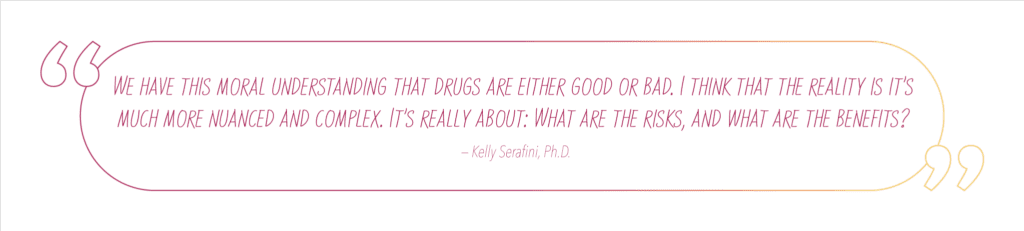
“Many people view drug use through a moral lens by seeing all drug use as a corrupt behavior,” says Kelly Serafini, Ph.D., professor of clinical psychology at Saybook University who specializes in addiction. “The use of addictive drugs, and the efficacy of medications to treat addiction, is a very complex and nuanced conversation. With these emergent questions about the use of drugs to treat addiction, it’s important to examine the evidence base, the known risks, and the anticipated benefits.”
While the legal landscape is shifting and our understanding of the uses and harms of these substances is evolving, it is worth taking a look at how drugs once seen as playthings of the counterculture are entering mainstream society.
Cannabis
Driven in part by the wide use of cannabis among the nation’s youth in the 1960s, the Nixon administration came down hard on marijuana, classifying it as a Schedule 1 narcotic (in the same category as cocaine and heroin) under the Controlled Substances Act (CSA). However, the public at large has not viewed cannabis as the menace to society the law suggests. Even Nixon’s former White House counsel John Ehrlichman was later quoted as saying, “Did we know we were lying about the drugs? Of course, we did.”
According to the Drug Enforcement Administration (DEA), marijuana “has a high potential for abuse, no currently accepted medical use in treatment in the United States, and a lack of accepted safety for use under medical supervision.” At the same time, it is legal for recreational use in 23 states, with these states reaping billions in tax revenue annually. Marijuana is also the most widely used of those drugs that have been legalized. Surveys vary but in general suggest that half of all adults in the country have at least tried marijuana.
Medical benefits of cannabis are said to include alleviating the symptoms of chemotherapy, managing chronic pain, and treating sleep disorders. However, Dr. Serafini warns that cannabis purchased on the street or even in a legal dispensary where products are intended to get the user high may pose some risk of addiction. Most of the products with medicinal properties are derivatives without the psychoactive effects, including cannabidiol (CBD). “There are some research studies supporting the use of CBD with several medical conditions,” Dr. Serafini says. “But that doesn’t mean that all cannabis use is medicinal. In my work with adolescents, many have told me, ‘marijuana’s medicine.’ But just because cannabis has some therapeutic components doesn’t mean it’s healthy. Smoking has many harmful effects, and we know that THC can have negative health effects too.
Psilocybin
Derived from “magic mushrooms,” psilocybin has been used in research for more than 70 years, including limited studies that survived the near-total shutdown of psychedelic studies following the CSA. As detailed in a previous article for UNBOUND, researchers discovered in the late 1940s and early 1950s that psychedelics were effective in treatment of addiction and depression.
Fifty years after most of these efforts were shut down, psychedelics (principally psilocybin) have regained a foothold in medical research, typically dispensed in a clinical setting with one or two clinicians present. In addition to depression and addiction, psychedelics can also be effective in treating obsessive-compulsive disorders and are being used more frequently in end-of-life care.
Courses of treatment are short, sometimes just one session. However, there is a movement outside of medical settings, based on theories advanced in the 1960s, to use small doses at regular intervals. Called “microdosing,” the practice generally involves using 10% of a full dose once every three days.
Dr. Serafini stated that changes to existing laws now allows for more scientific investigations. It will be necessary to have randomized, controlled trials to more fully evaluate efficacy of these treatments. “I think it’s important to have well-developed scientific studies to answer many of the questions we have about these new treatments,” she says but adds, “I personally don’t think there’s a “miracle drug” for addiction, but I do believe that there are medicines that can help.”
Cynthia Kerson, Ph.D., associate professor of applied psychophysiology, whose academic focus and practice have been in biofeedback, believes the jury is still out on psilocybin and mircodosing. However, at a recent conference, she attended a presentation on the topic by a neurosurgeon who described the benefit of the practice. Dr. Kerson believes there needs to be research in the area of microdosing with complementary psychophysiological training. “If it breaks negative patterns, great,” Dr. Kerson says. “You’re not going to microdose for the rest of your life, but for the rest of your life you will know the skill of self-regulation.”
Ketamine
Though widely used as a party drug, ketamine was originally developed as an anesthetic. The fact that it already has a medical application helped to speed its off-label use in the treatment of psychiatric disorders. In 2019, a ketamine nasal spray was approved for prescription use, but it must be administered in a clinic by a practitioner. Treatments average $600 each and are not covered by insurance. A typical course of treatment is six sessions, which means nearly $4,000 out of pocket. The cost raises questions about the financial burden on those requiring treatment but also questions of equity for those who cannot afford the treatment. It also incentivizes nonprescriptive use.
“I have some colleagues that work in ketamine clinics, and they really think about it as the ketamine helps the client get into a space to receive the psychotherapy more effectively,” Dr. Serafini says. “Psychotherapy is still a really huge component of the therapeutic process, and the ketamine is seen as an adjunct in helping to facilitate that outcome.”
MDMA
Classified as an empathogen because of how it stimulates dopamine and serotonin, MDMA gained wide usage as a club drug in the 1980s. In recent years, it has been designated as a breakthrough therapy in the treatment of PTSD, and the Multidisciplinary Association for Psychedelic Studies (MAPS) is currently running phase 3 clinical trials.
“One reason why I like psychotherapy in particular is that what we know from any medication is that, usually, when you stop the treatment, you also stop receiving the effects, and symptoms can reoccur,” Dr. Serafini says, “whereas with psychotherapy, we see a “sleeper effect.” so This means that we have research to support that people who finish a course of psychotherapy continue to improve even after they finish their course of psychotherapy. That’s because they’ve developed greater awareness of their triggers, they’ve learned new coping skills, and they have learned what works for them.”
The quest for healthier minds
This year, Saybrook University is launching a nationwide effort to stress the advantage of integrative health care. The core principle behind this initiative is that efforts that treat the body and mind together are most effective, and clinicians in a broad range of specializations should be open to new ways of thinking and collaboration.
“We have so many modalities in biofeedback,” Dr. Kerson says. “We have muscle reeducation, heart rate variability, skin conductance, brainwave biofeedback, and brain stimulation. We have all these different tools, and there’s no reason why we shouldn’t bring them in. I mean, we use psychotherapy—why not use microdosing or cognitive behavioral therapy along with biofeedback?”
Dr. Serafini believes an integrative approach is a boon to treating addiction. “Traditionally, our healthcare system treated addiction and mental health separately,” she says, but an integrative approach would allow the addiction and mental health experts to inform each other.

To learn more about the programs at Saybrook University, fill out the form below.